DisciplineS
Service / Product design
+
Strategy & foresight
+
Innovation & strategic design

Portfolio 2026

© Confidencial

My portfolio documents strategic design work across three distinct phases of practice:
Current innovation and foresight work (2023–2025), foundational corporate and service transformation (2014–2022), and additional engagements spanning over a decade.

The work consistently focuses on organisational challenges that cannot be solved through execution alone, moments where strategy, structure, and culture require fundamental reconsideration.

Projects range from product ecosystems and cross-functional alignment to governance frameworks and anticipatory systems, unified by a commitment to creating conceptual infrastructure that enables decision-making in complex environments.

Selected works between 2014 - 2026
Frank Hoeft

Current view: LIMINAL

Selected works for
Liminal Discovery
from 2023 - 2026

Three years of strategic design work at PMI and Liminal Discovery, operating as embedded practitioner across product, service, and organisational transformation. 
My work focuses on creating conceptual infrastructure—shared language, frameworks, and strategic artefacts—that enables alignment and decision-making in complex systems.

Selected works for
from 2015 - 2022

Foundations of my current practice, delivered at Accenture and Fjord across corporate, public, and non-profit contexts. This work established capabilities in service design, research, and implementation while surfacing the systemic patterns—governance gaps, strategic misalignment, and organisational friction—that shape how I work today.

Artefact 1
Artefact 2
Artefact 3
Artefact 4
Artefact 5
The Agency divide
Client
Liminal Discovery
Year
2024 - 2026

Thought leadership on liminality, anticipation and
organisational change 

Role

Author and strategic designer, responsible for research, framing, writing, and publication across independent platforms and client-facing contexts.

Context & problem

Many organisations struggle to reflect on change while operating under constant pressure to deliver. Strategy is often reduced to optimisation, leaving little space to
question assumptions, power structures, or long-term consequences.
Through writing and public reflection, I explored liminality as an organisational condition, focusing on anticipation, uncertainty, and the ethical implications of design and technology on the Liminal Discovery blog, LinkedIn, and my personal design blog bounce.designSTRTGY.com.

Approach

I developed a series of essays and articles combining design research, futures thinking, systems theory, and cultural critique.
Used what-if questions and liminal scenarios to reframe organisational challenges, making abstract shifts tangible and discussable. Integrated these reflections into
workshops, talks, and client conversations to provoke dialogue beyond immediate project constraints.

Outcome

Established a visible thought leadership position around liminality, anticipation, and organisational responsibility.
The work supports strategic conversations with clients, informed internal practice development, and positioned design as a reflective, sense-making discipline rather than a purely executional function.

Client
PMI / Liminal Discovery
Year
Early 2025

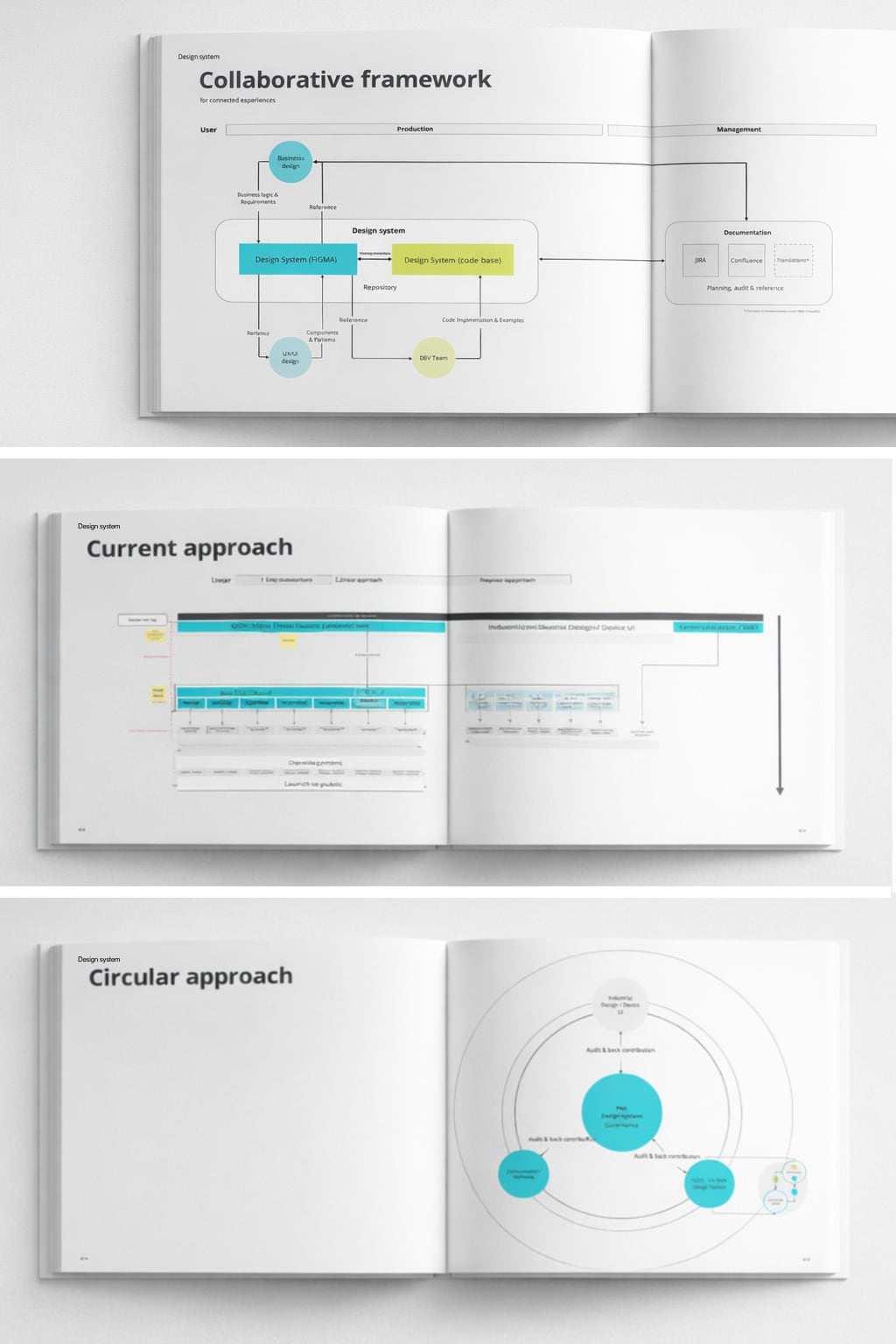
Design governance analysis across product and platforms

Role

Strategic design lead, responsible for research, analysis, and synthesis across teams, bridging service design, product design, and organisational governance.

Context & problem

Phillip Morris International operated a complex ecosystem of digital products spanning web, device interfaces, and companion apps. A central web design system was increasingly used as a governance layer for all touchpoints, creating friction as marketing-oriented standards could not cover product UI, device constraints, or regulatory requirements.

Approach

Conducted qualitative analysis with stakeholders across web, product, UX, and engineering to map existing governance practices, implicit rules, and decision paths. Synthesised findings into a governance-focused perspective, distinguishing design systems, design assets, and decision ownership across platforms.

Outcome

Provided a clear diagnosis of structural gaps in design governance and concrete recommendations for separating marketing-driven web standards from product and device design needs.

Design governance overview
Primary artefact
Secondary artefact
Client
PMI / Liminal Discovery
Year
2025

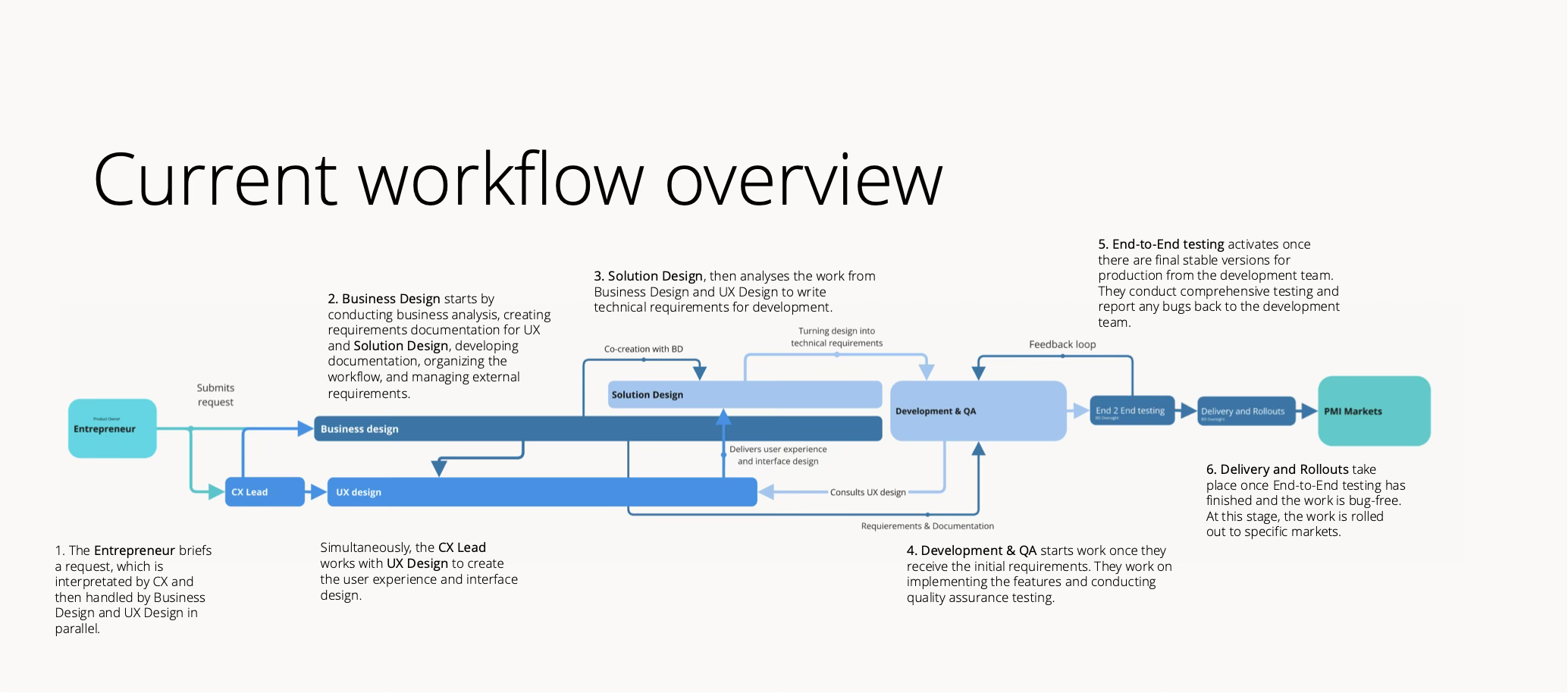
Cross-functional workflow
analysis for a connected
experience app

Role

Strategic design lead, responsible for research, analysis, and synthesis across service design, product design, and organisational workflows.

Context & problem

A large cross-functional product team was struggling to deliver consistently despite strong individual capabilities.
Delays, friction with external teams, and growing coordination overhead indicated systemic issues rather than execution failures.
At the same time, the organisation was preparing to transition from a project-based delivery model to a product-based operating model, creating a need for clarity on ownership, workflows, and decision-making.

Approach

Designed and conducted cross-functional qualitative research, including 12 in depth anonymous interviews across business, UX, solution design, development, QA, and delivery.
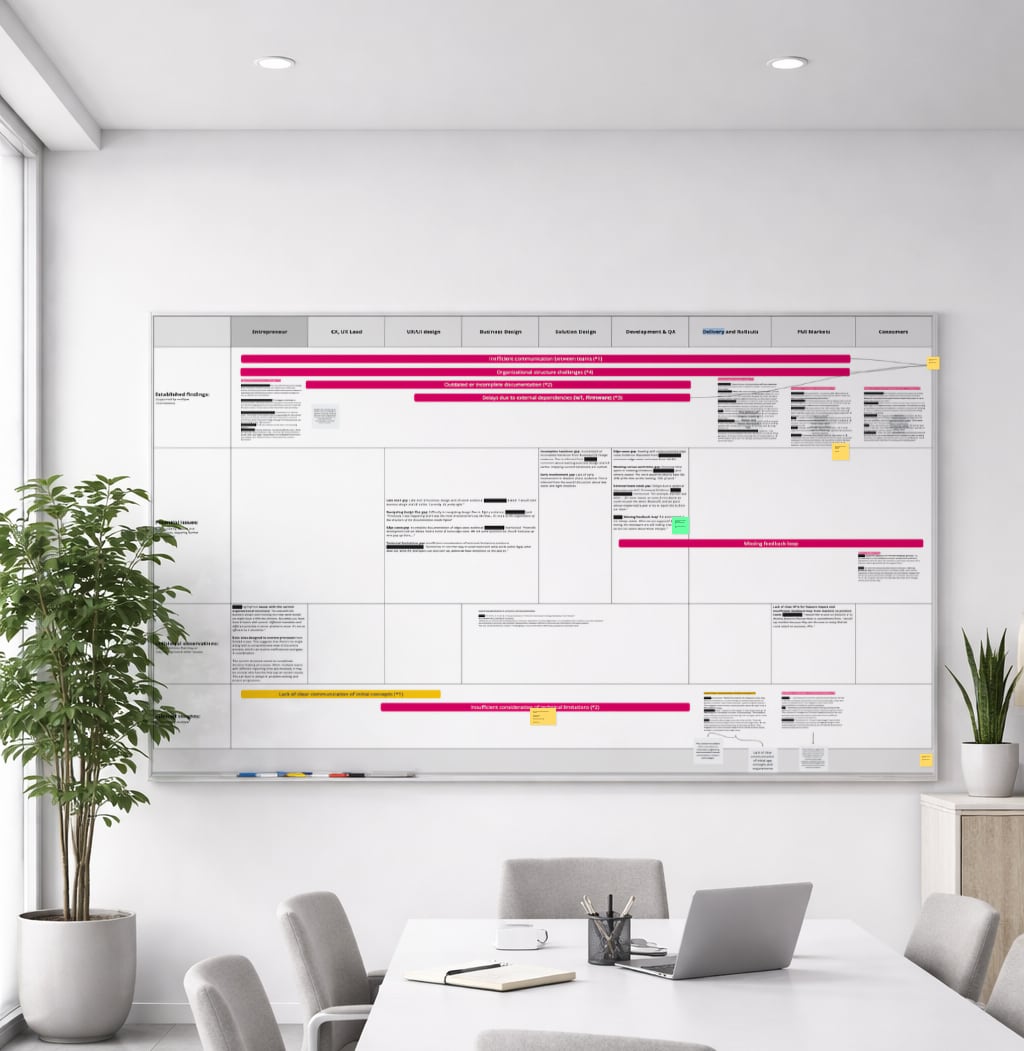
Mapped the actual end-to-end workflow, including external dependencies, and synthesised findings into systemic insights. Connected observed workflow gaps to
the organisation’s broader transition towards product-based ways of working.

Outcome

Delivered a clear diagnosis of structural and organisational root causes behind delivery friction.
Provided actionable recommendations to support end-to-end ownership, earlier cross-functional alignment, and more sustainable product team structures.

The work became a shared reference to ground discussions and guide the shift from project-based to product-based operations.

Client
Liminal Discovery / L-I-F-T
Year
2025

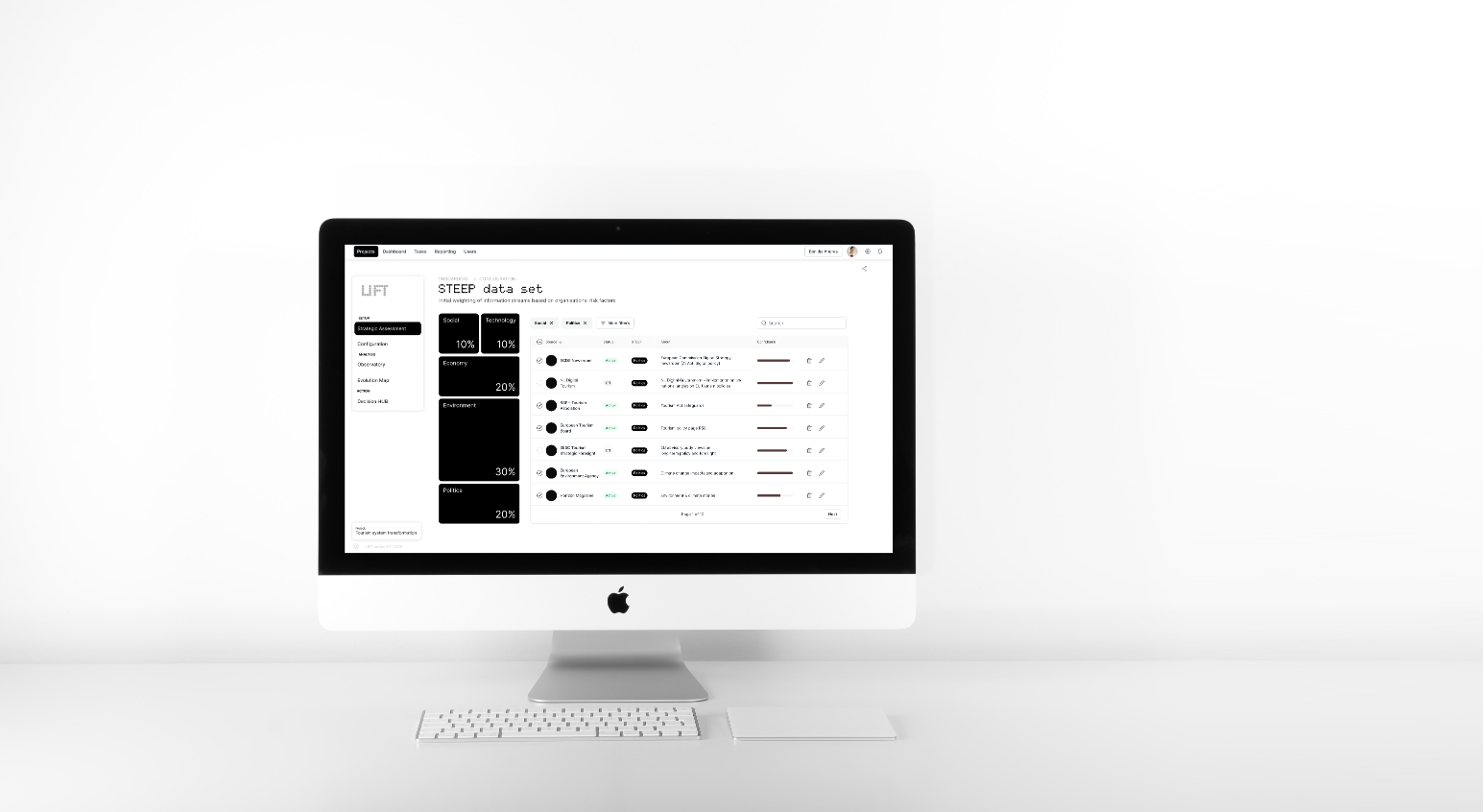
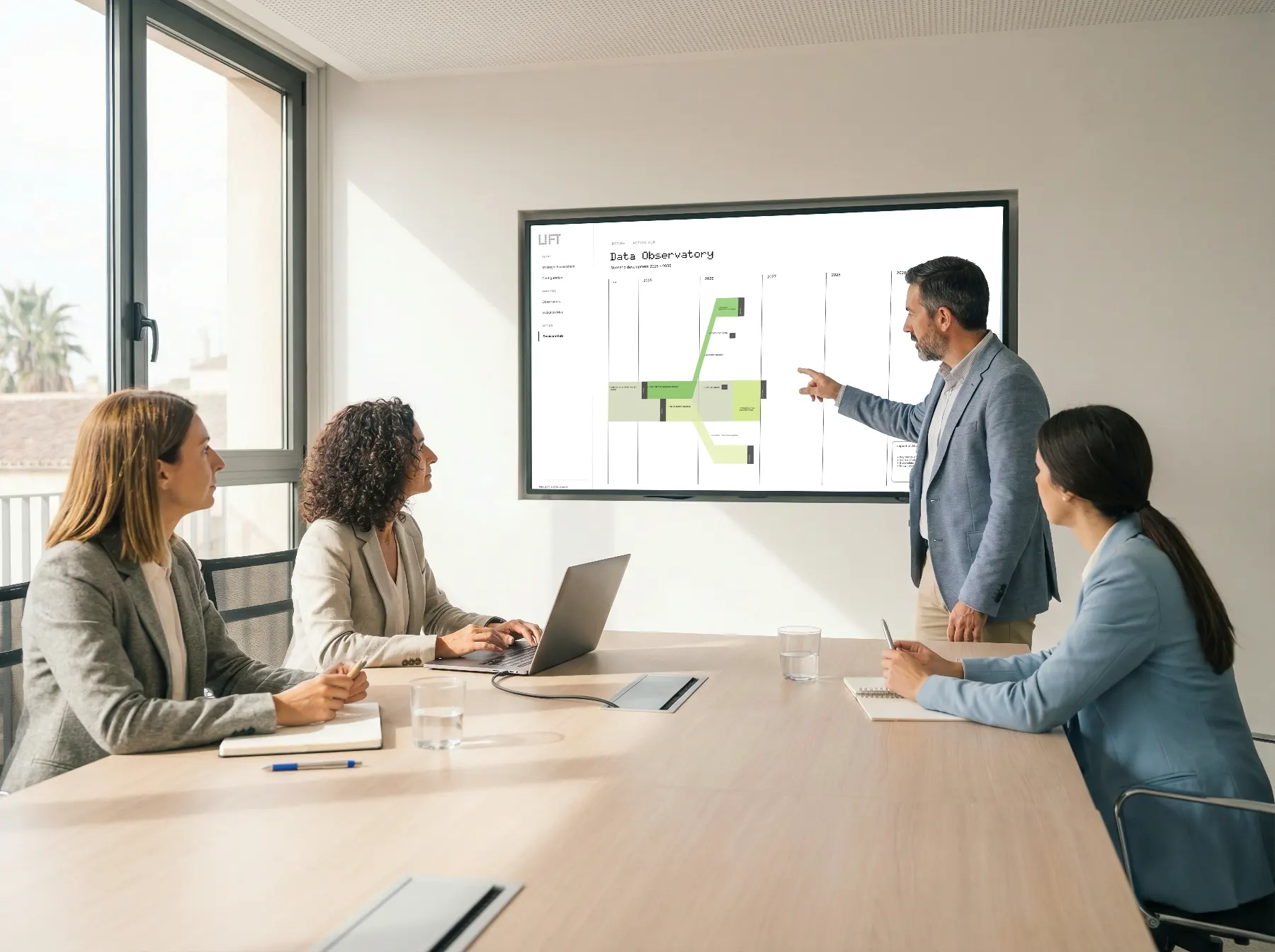
L-I-F-T
Liminal integral foresight tool

Role

Co-founder and strategic design lead, responsible for vision, research direction, methodological framing, and early product definition across strategy, service design, and
human–AI collaboration.

Context & problem

Organisations increasingly invest in foresight, trend analysis, and AI-driven insights, yet struggle to translate anticipation into concrete strategic decisions.
Existing foresight tools and reports often operate detached from organisational context, responsibilities, and ongoing work, resulting in low ownership and limited
impact. Research across competitors, foresight practitioners, and decision-makers revealed that anticipation is treated as a deliverable, not as a shared, continuous practice.

Approach

Led qualitative and desk research across foresight tools, methodologies, and organisational use cases. Synthesised insights from practitioners and decision-makers in public, private, and non-profit contexts.
Designed an integrative foresight model combining purpose definition, hypothesis-driven exploration, signal gathering, and scenario building, supported by AI-assisted sense-making while keeping human judgement central.

Outcome

Defined a coherent foresight framework and early product concept designed to embed anticipation into organisational decision-making.
Positioned LIFT as a tool and practice that connects foresight, strategy, and responsibility, enabling organisations to move from abstract futures thinking to
context-aware, actionable insight.

Lead imageView

L-I-F-T is an integrative foresight system that turns purpose and hypotheses into grounded, actionable futures.
www.L-I-F-T.com

Client
PMI / Liminal Discovery
Year
2024

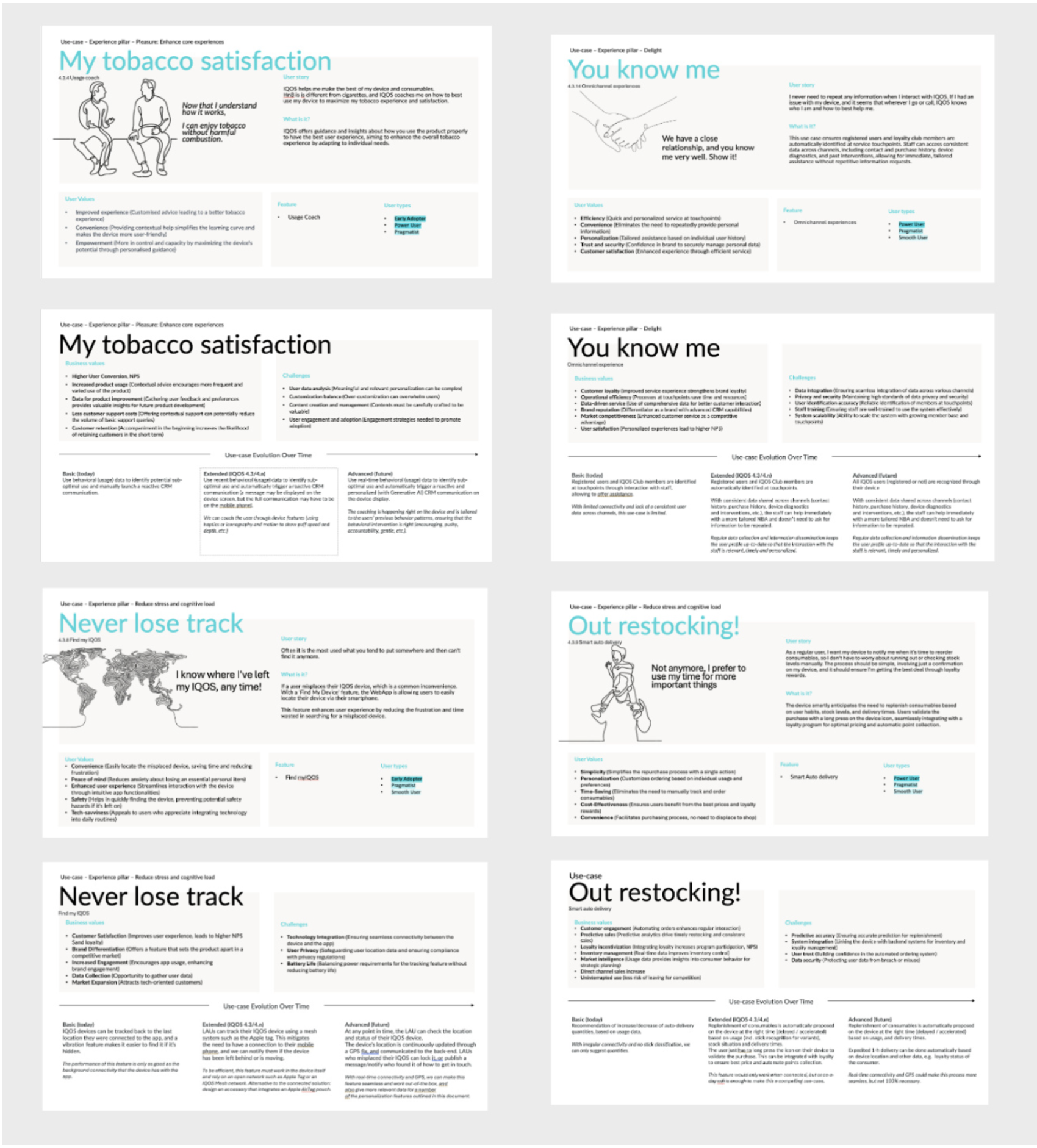
Future use case definition and ecosystem framing for IQOS 4.3

Role

Strategic design lead, responsible for service and product design, use case framing, and early-stage evaluation across user, business, and ecosystem perspectives.

Context & problem

Phillip Morris International was exploring future use cases for the IQOS 4.3 device family ahead of detailed hardware development.
The challenge was to anticipate user needs, business implications, and ecosystem dependencies early enough to inform product direction, rather than validating concepts once technical constraints were already fixed.
Approach

I worked with cross-functional stakeholders from design, engineering, and business to identify and structure future-facing use cases before hardware specifications were finalised.
Evaluated addressed user groups, business relevance, and system dependencies. Translated abstract use cases into tangible high-level concepts through visualisation and narrative framing to support alignment and decision-
making.

Outcome

We created a shared, future-oriented reference for evaluating product directions prior to hardware commitment.
Enabled earlier alignment across disciplines and reduced downstream risk by grounding technical development in clearly articulated user, business, and ecosystem considerations.

Primary artefact
Primary artefact
Secondary artefact
Client
PMI / Liminal Discovery
Year
2024-25

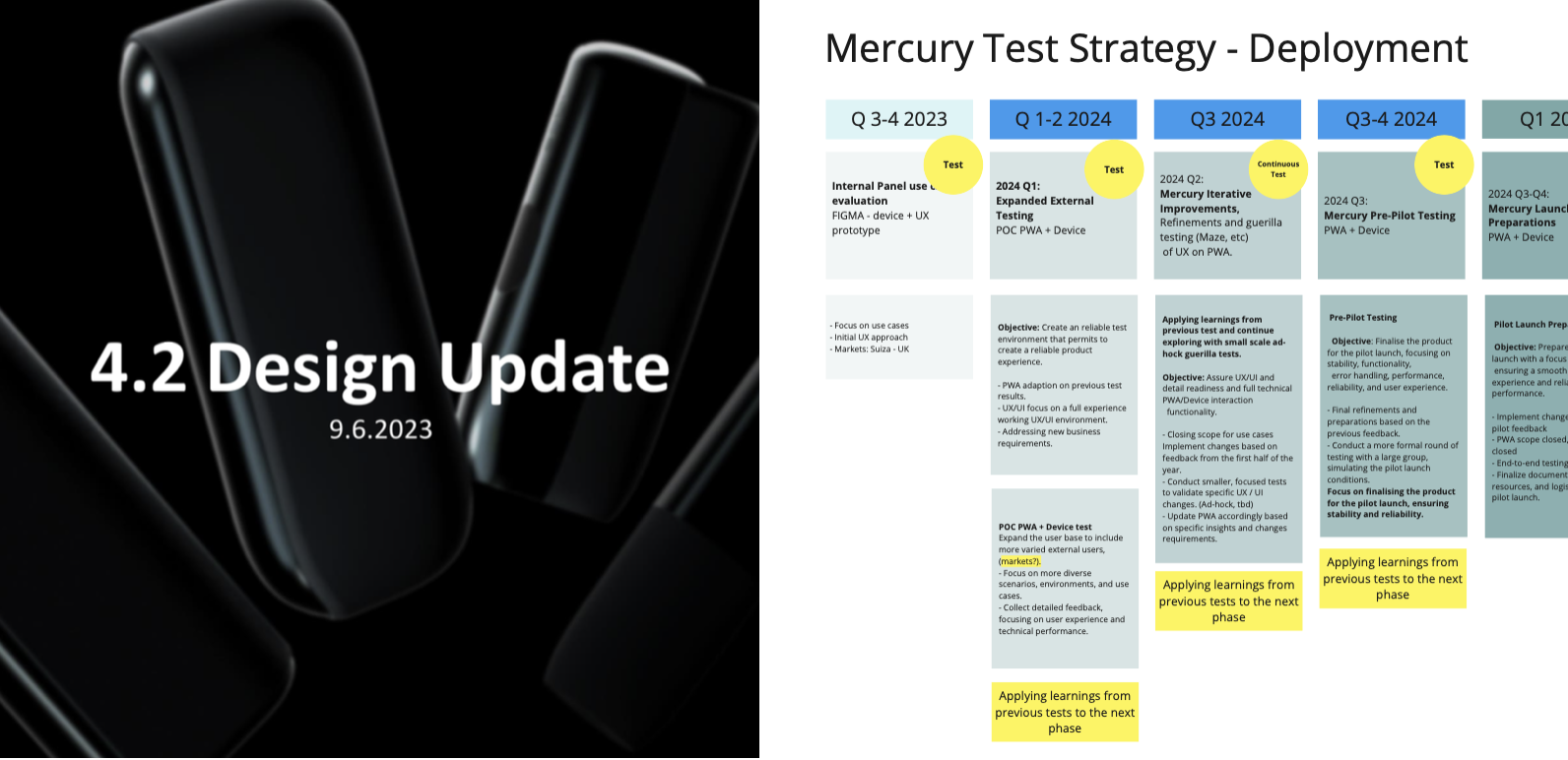
Use case discovery for the IQOS 4.2 device family

Role

Strategic design lead, responsible for research, facilitation, and synthesis across service and product design.

Context & problem

PMI aimed to define and validate core use cases for the IQOS 4.2 device family to inform future product and experience development. 
Teams were not yet accustomed to structured cross-functional co-creation, and existing use cases required consolidation, clarification, and validation before being tested with users.

Approach

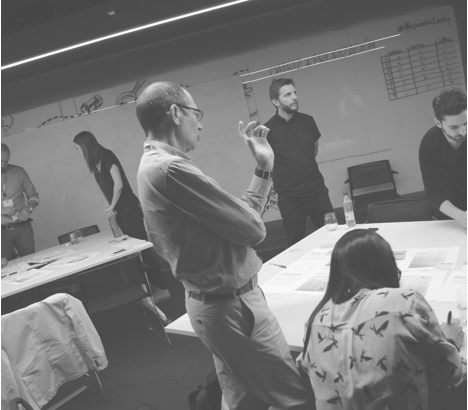
Prepared and facilitated a multi-week discovery phase, including extensive upfront research to collect, review, and assess existing use cases. 
Designed and led a large cross-functional workshop with participants from design, engineering, product, marketing, and sales to collaboratively complete, challenge, and prioritise use cases. 
Managed stakeholder alignment and translated workshop outputs into structured inputs for subsequent user testing.

Outcome

Established a shared set of validated use cases and a best-practice working model for cross-functional collaboration. 
Improved alignment across disciplines and created a solid foundation for user testing and downstream product development.

Client
Liminal Discovery / ELECTROLUX
Year
2025

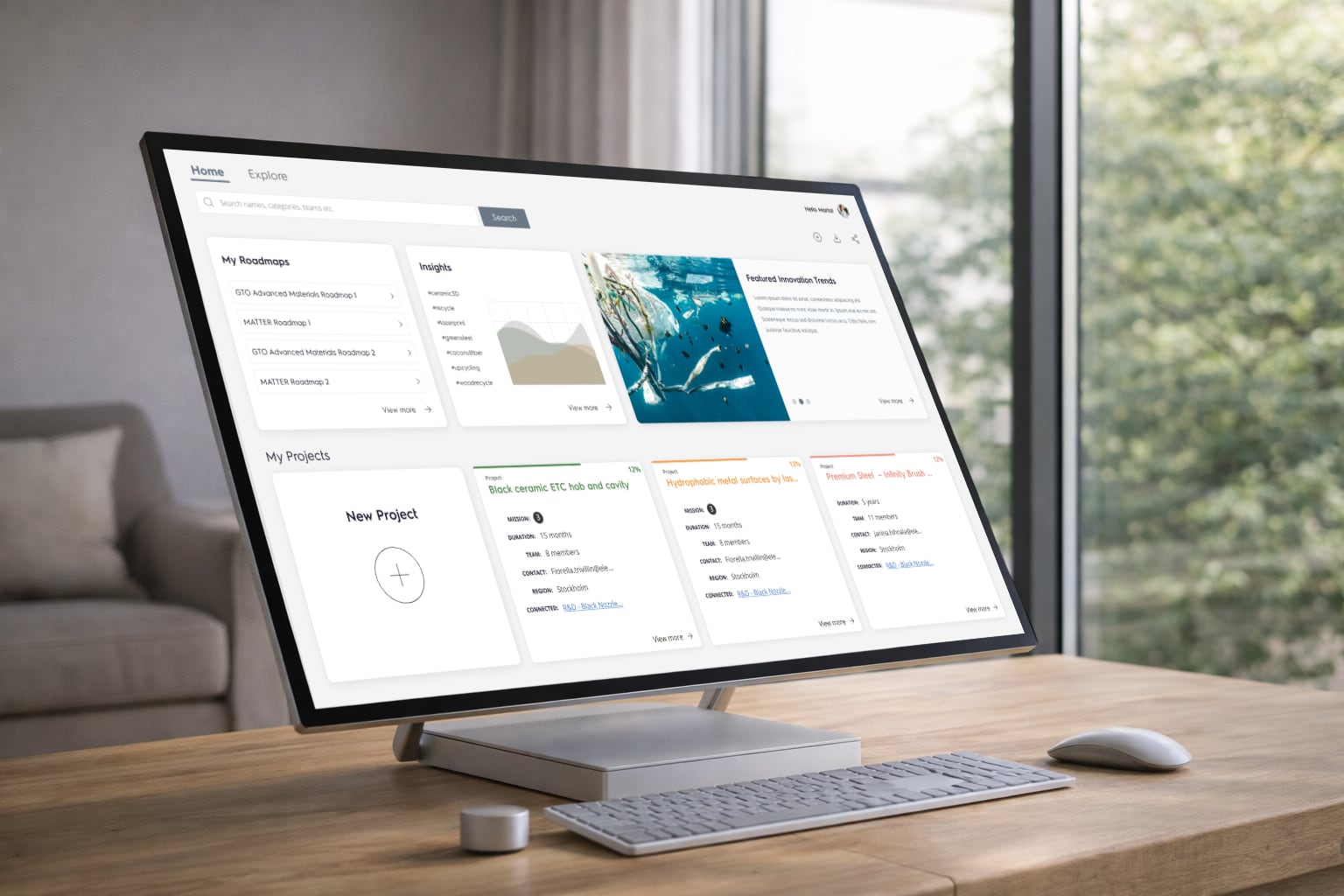
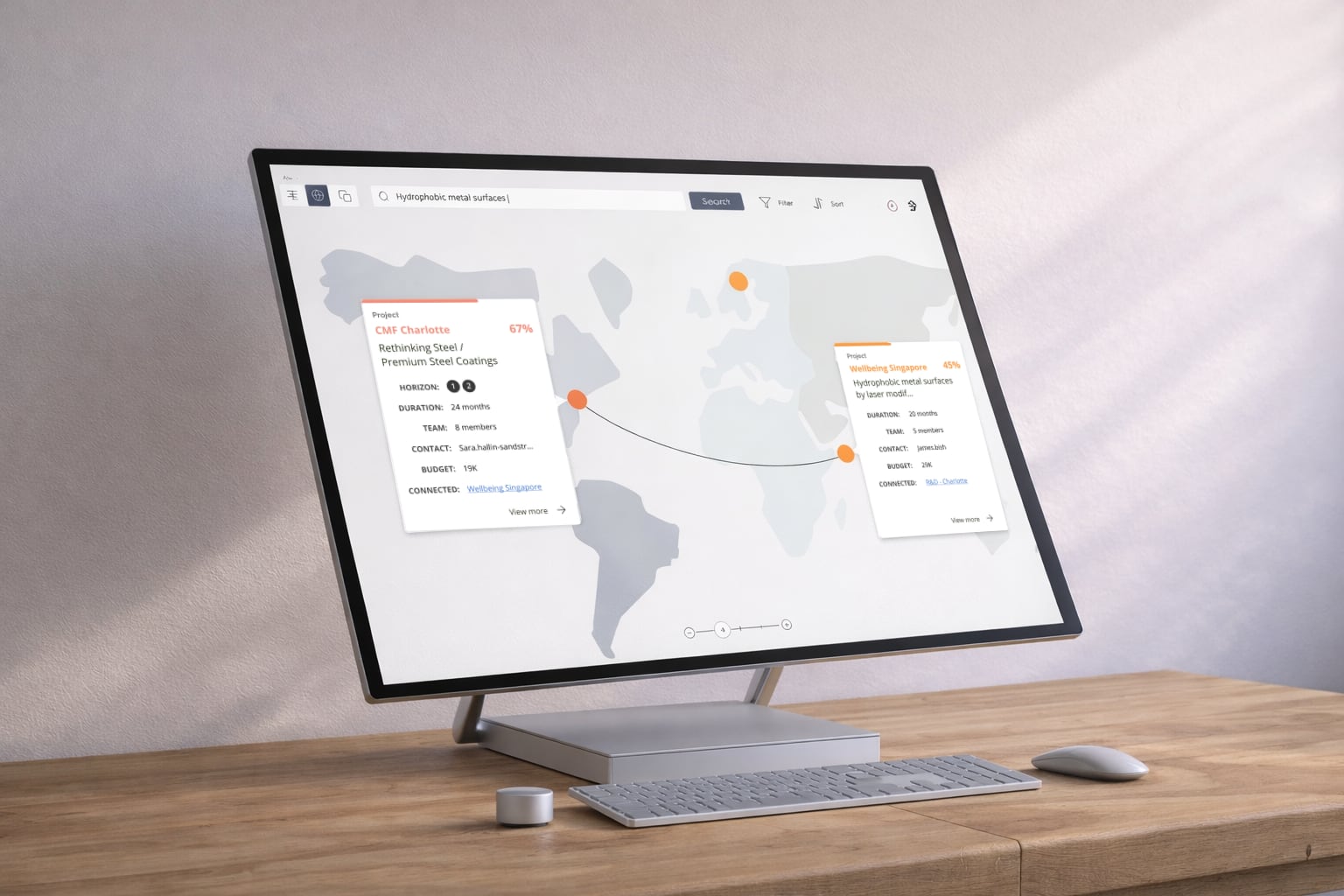
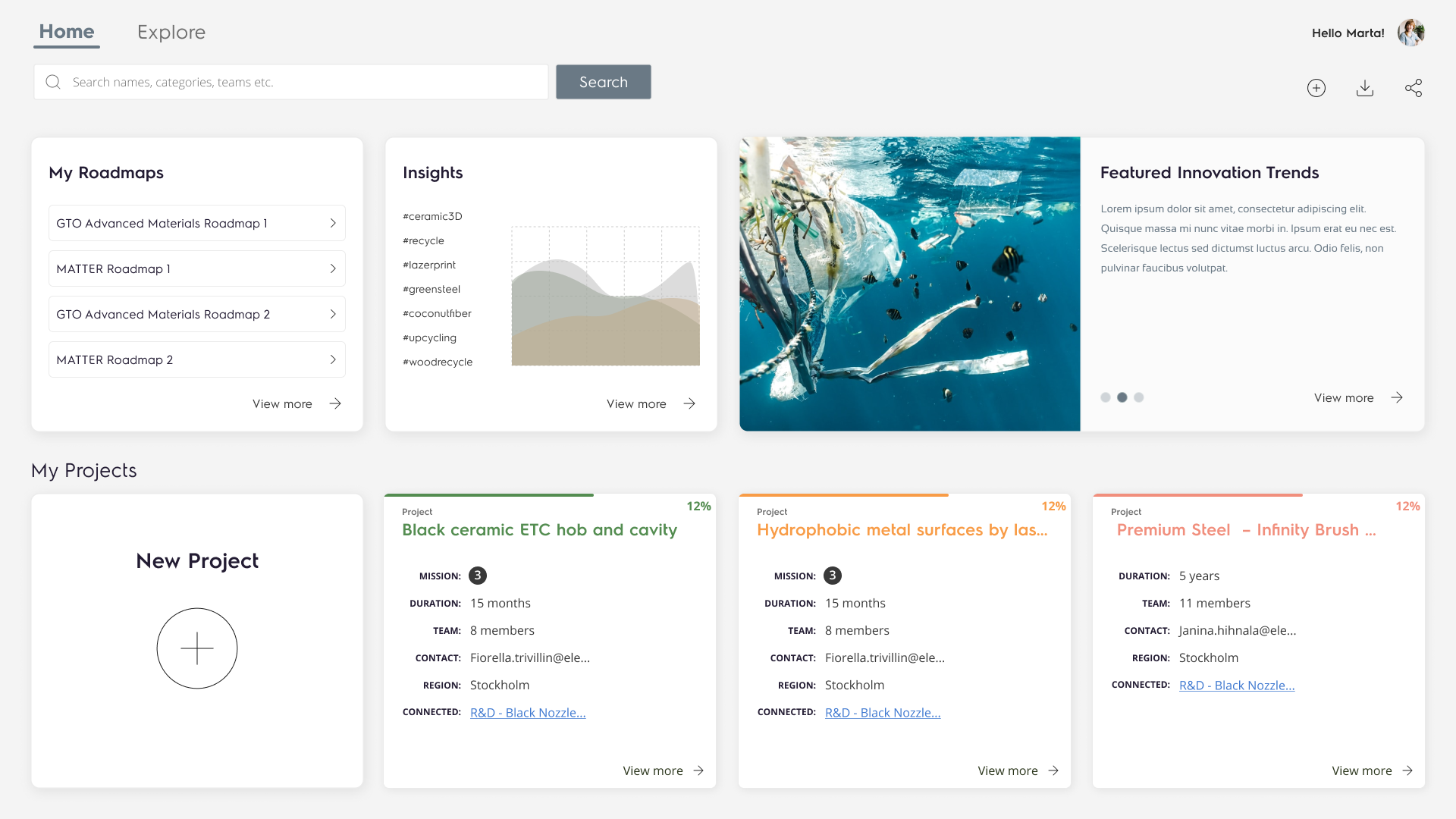
Collaborative innovation roadmap tool

Role

Service design and UX design lead, responsible for concept, structure, and interaction design

Context & problem

Innovation roadmaps were managed through fragmented tools such as Excel and PowerPoint. Data was updated manually across regions and teams, leading to inconsistencies, outdated information, and limited shared visibility. Designers and R&D teams lacked a common view of ongoing and future innovation efforts.
To replace or complement the existing toolset with a shared, digital innovation roadmap that reduces manual effort, improves data reliability, and enables cross-functional alignment across design and R&D.

Approach

Led research and concept definition through interviews and guided conversations with global design and R&D stakeholders.
Defined vision, design drivers, and information architecture for a collaborative roadmap platform.
Designed the UX concept and interaction model, focusing on low learning curve, flexibility across use cases, and support for both strategic and tactical planning.

Outcome

A validated concept for a collaborative innovation roadmap tool that connects people, projects, technologies, and time horizons in one shared platform.
The concept established a clear foundation for a navigable UX prototype and a scalable framework for future innovation planning and collaboration.

Homepage
Artefact 3
Artefact 4

 A validated concept for a collaborative innovation roadmap connecting people, projects, technologies, and time horizons within a scalable planning framework.

Primary artefact
Secondary artefact
Client
Liminal Discovery
Year
early 2024

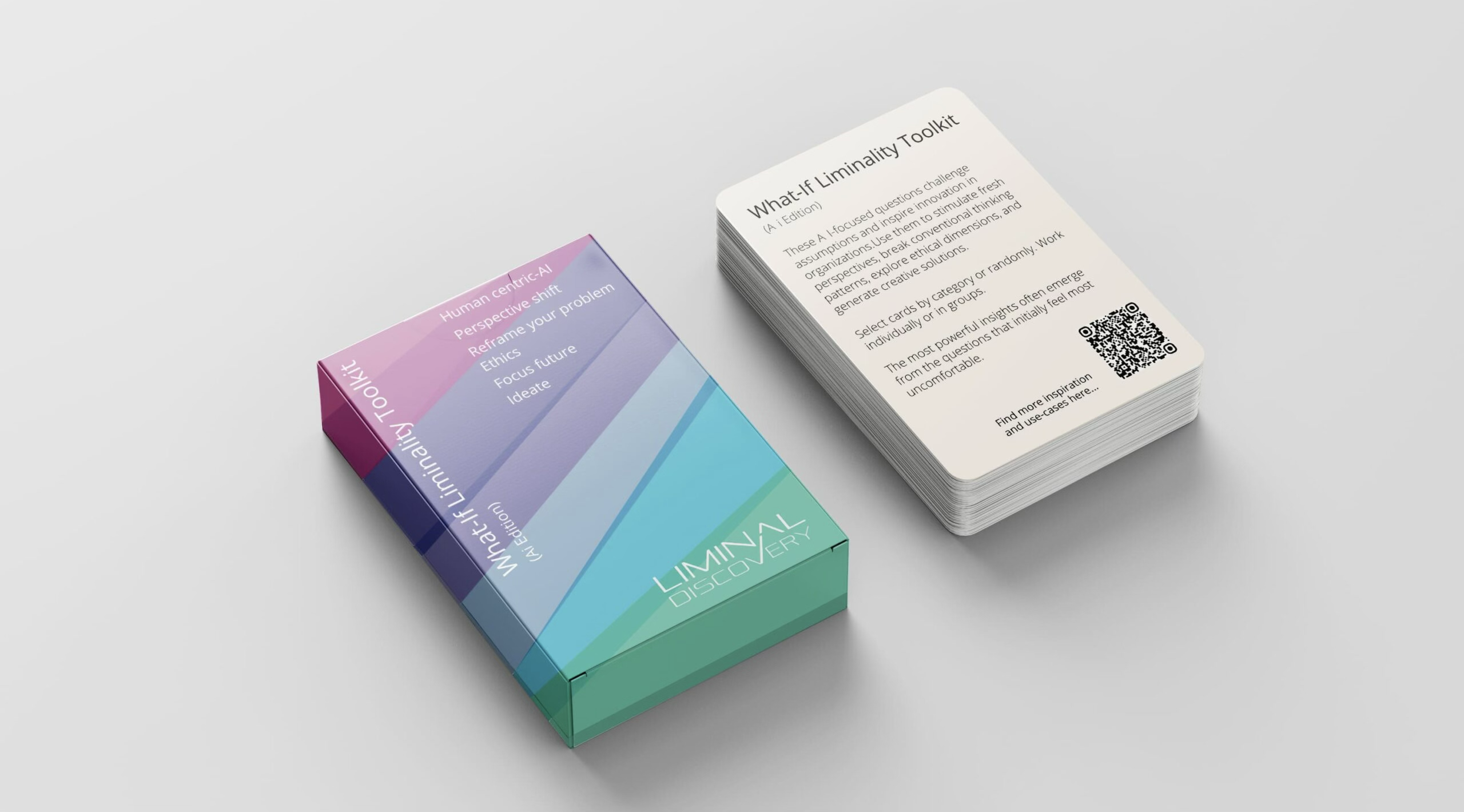
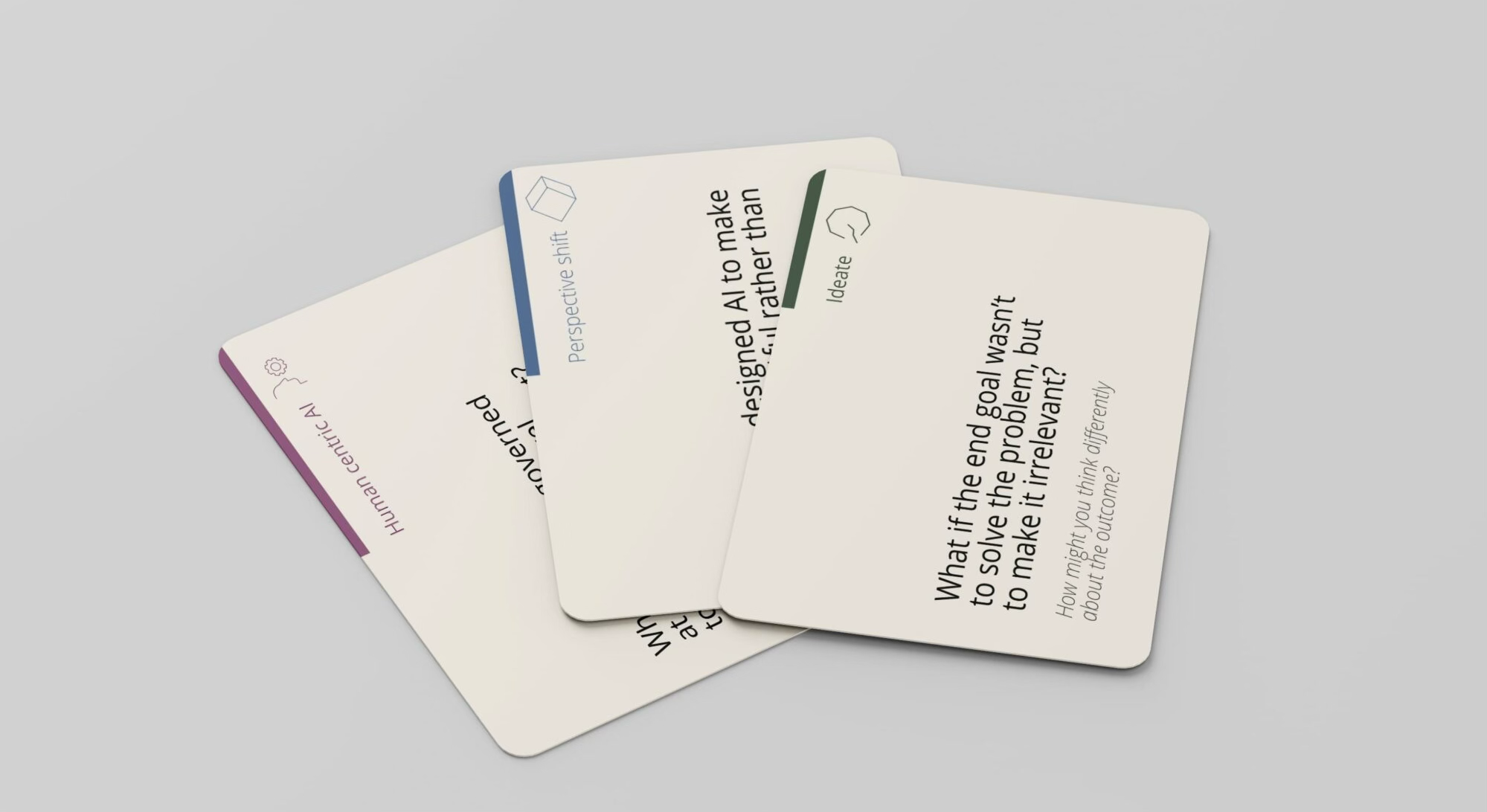
The what-if liminality toolkit

Role

Product and strategic design lead, responsible for concept, content, and distribution strategy.

Context & problem

Organisations often struggle to question entrenched assumptions and dominant narratives, especially when facing systemic or long-term challenges. Strategic conversations tend to remain abstract or constrained by existing frameworks, limiting the ability to explore alternative futures in a concrete and participatory way.

Approach

Designed a tangible toolkit based on what-if questions to help teams reframe problems through liminal scenarios and speculative exploration. Developed the content and structure to support workshops, self-guided reflection, and facilitated sessions. Made the toolkit publicly available, distributed it through business and design schools, and integrated it into client work to support strategic reframing.

Outcome

Enabled more open, critical, and future-oriented conversations across educational and organisational contexts. Positioned the toolkit as a practical entry point into foresight and systemic thinking, reinforcing design as a tool for reflection, participation, and shared agency.

Client
Liminal Discovery
Year
2024 - 2015

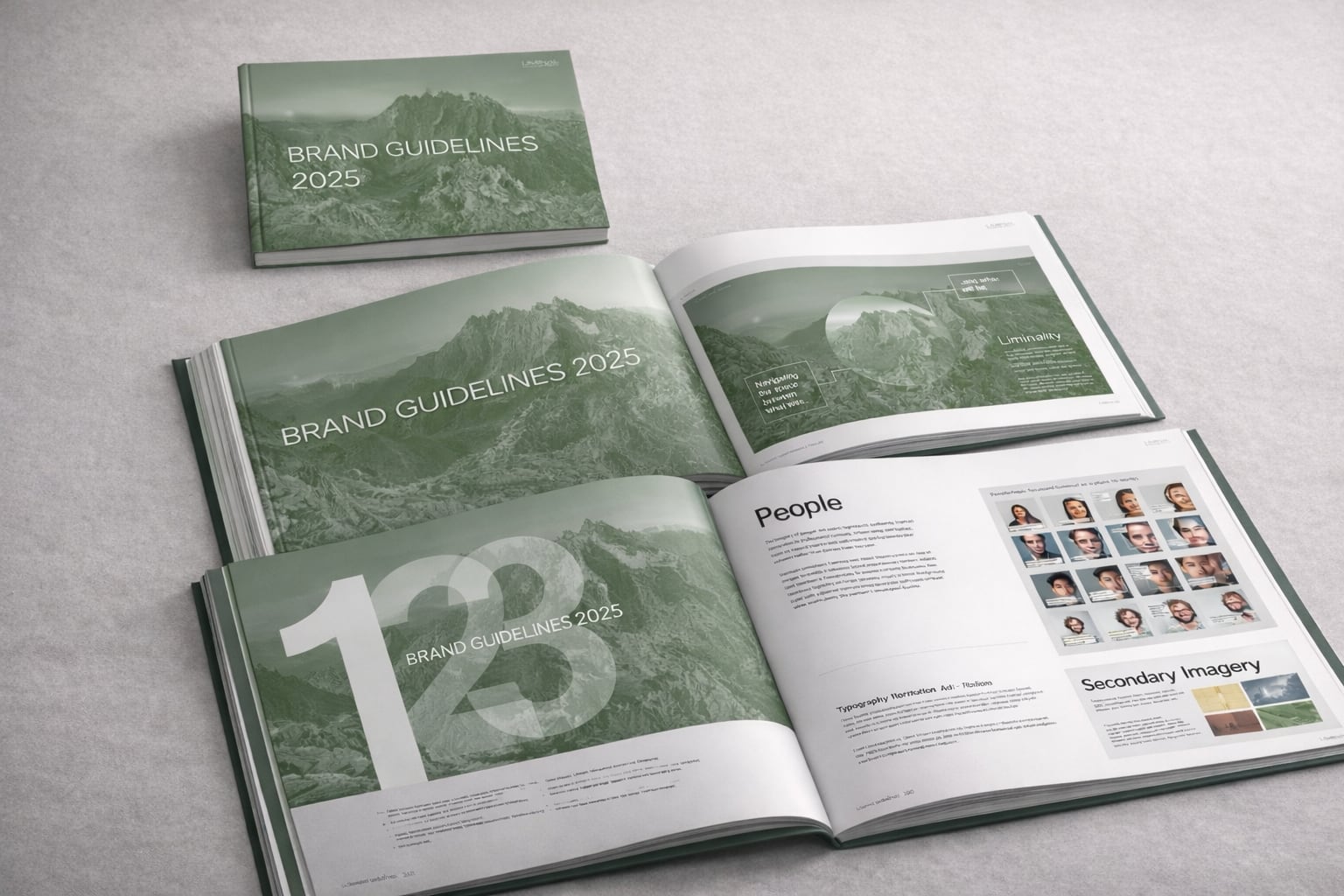
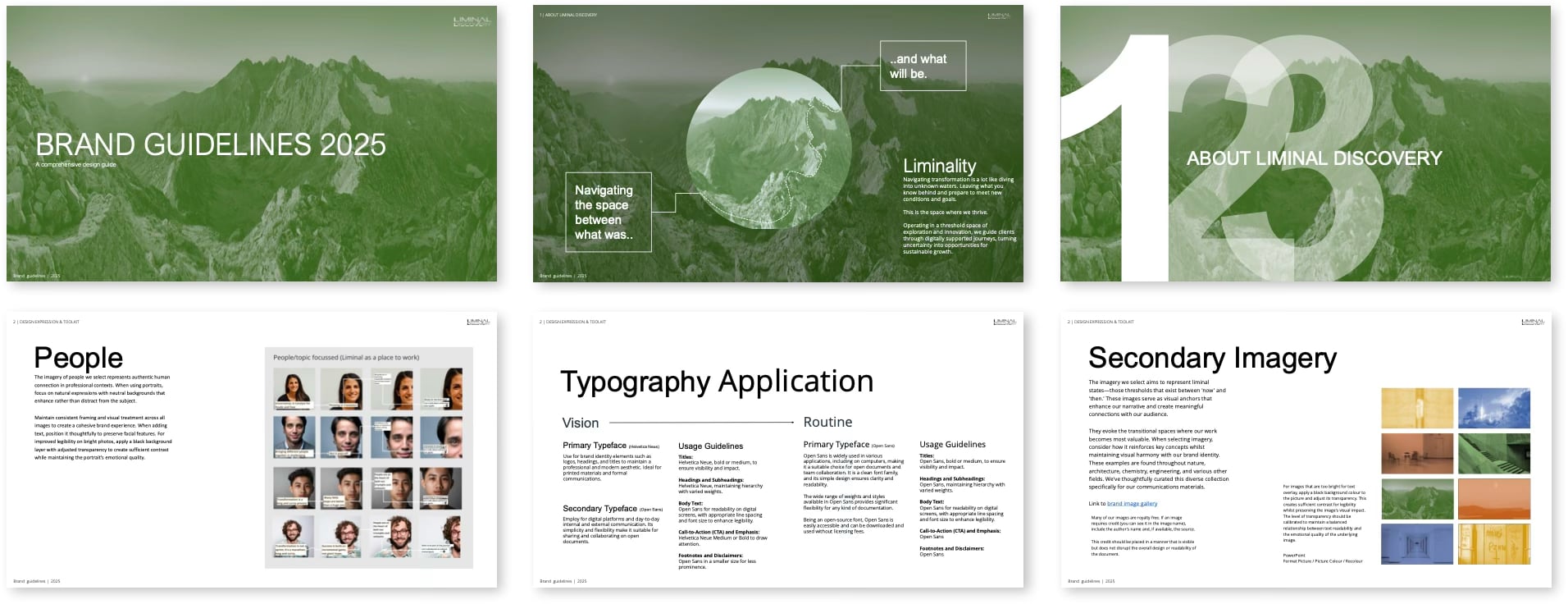
Brand system and presentation toolkit

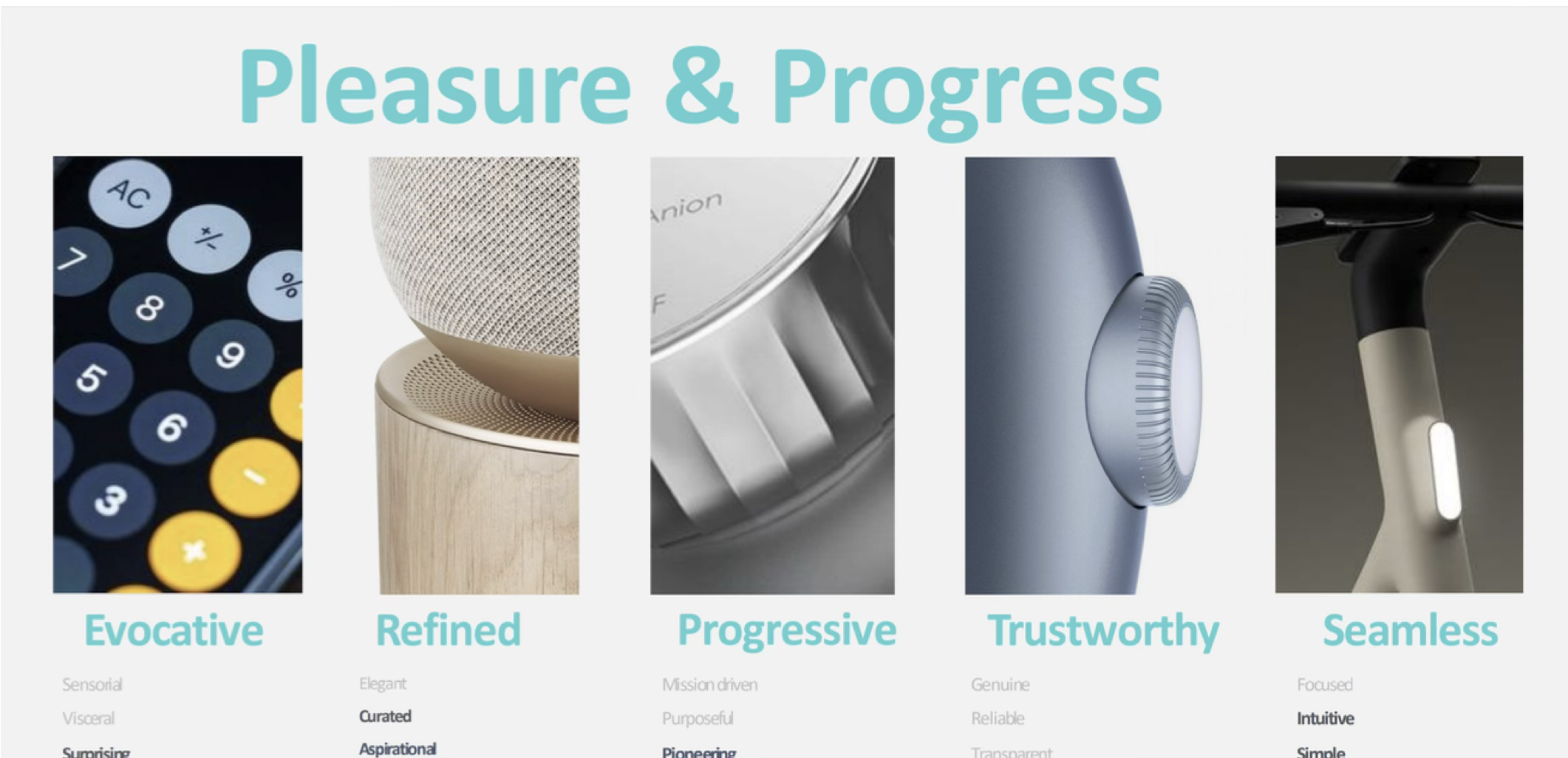
Role

Product and strategic design lead, responsible for concept, content, and distribution strategy.

Context & problem

As Liminal Discovery evolved, existing brand assets and presentation materials no longer supported the growing complexity of its work or the need for consistent communication across teams. 
Visual inconsistency and ad-hoc slide creation weakened clarity, credibility, and reuse in both internal and external contexts.

Approach

Reviewed existing brand assets and presentation materials to identify gaps in consistency, structure, and usability. 
Defined a coherent brand system and developed modular presentation templates aligned with the organisation’s narrative and visual principles. 
Ensured the system supported ongoing use, adaptation, and evolution rather than one-off delivery.

Outcome

Created a clear, reusable brand and presentation toolkit that improved consistency, efficiency, and coherence across client work and internal communication. 
The system strengthened Liminal Discovery’s visual identity while enabling teams to focus on content and strategy rather than layout and formatting.

Primary artefact
Primary artefact
Homepage
Artefact 3
Artefact 4
Client
Liminal Discovery
Year
2025 - 2026

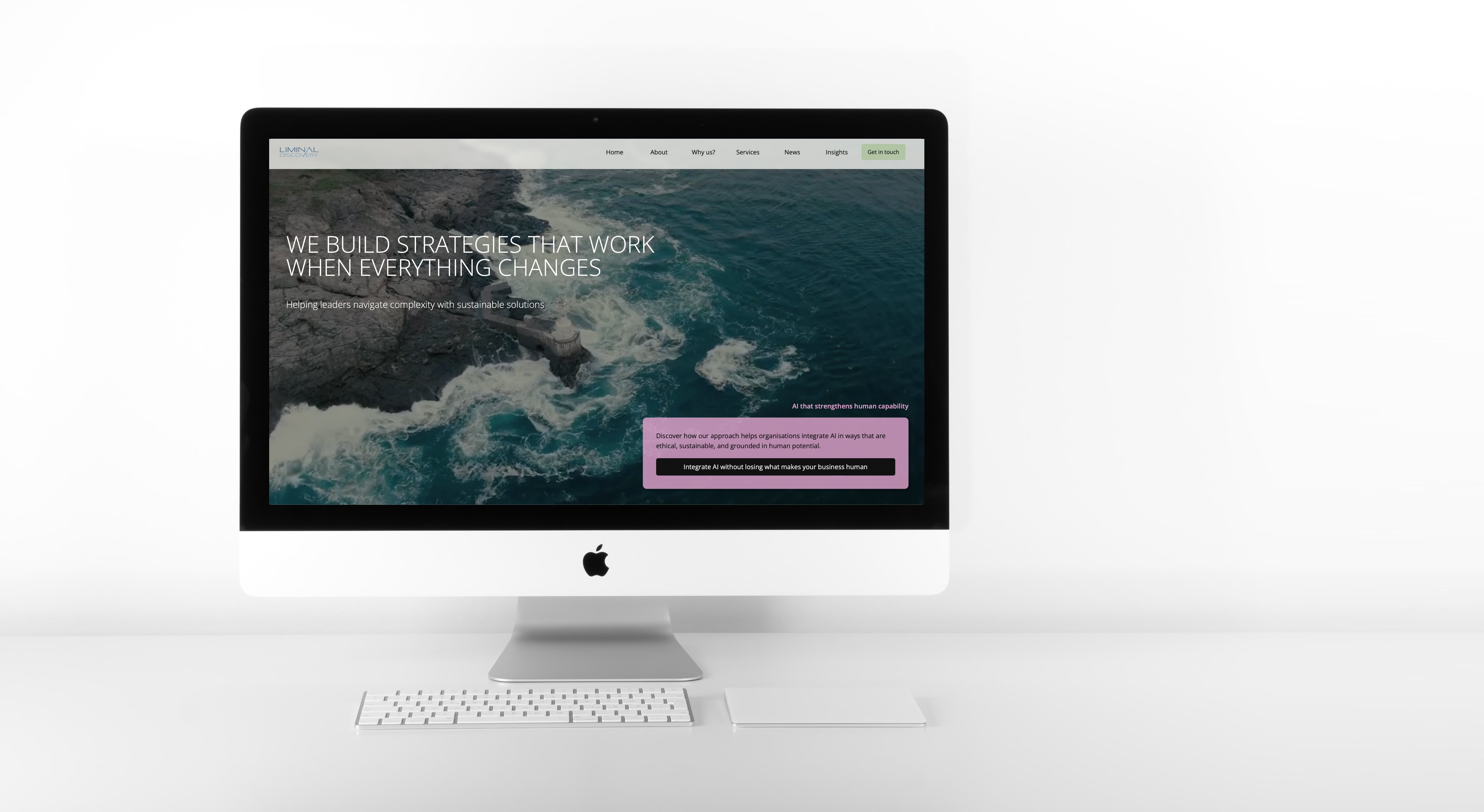
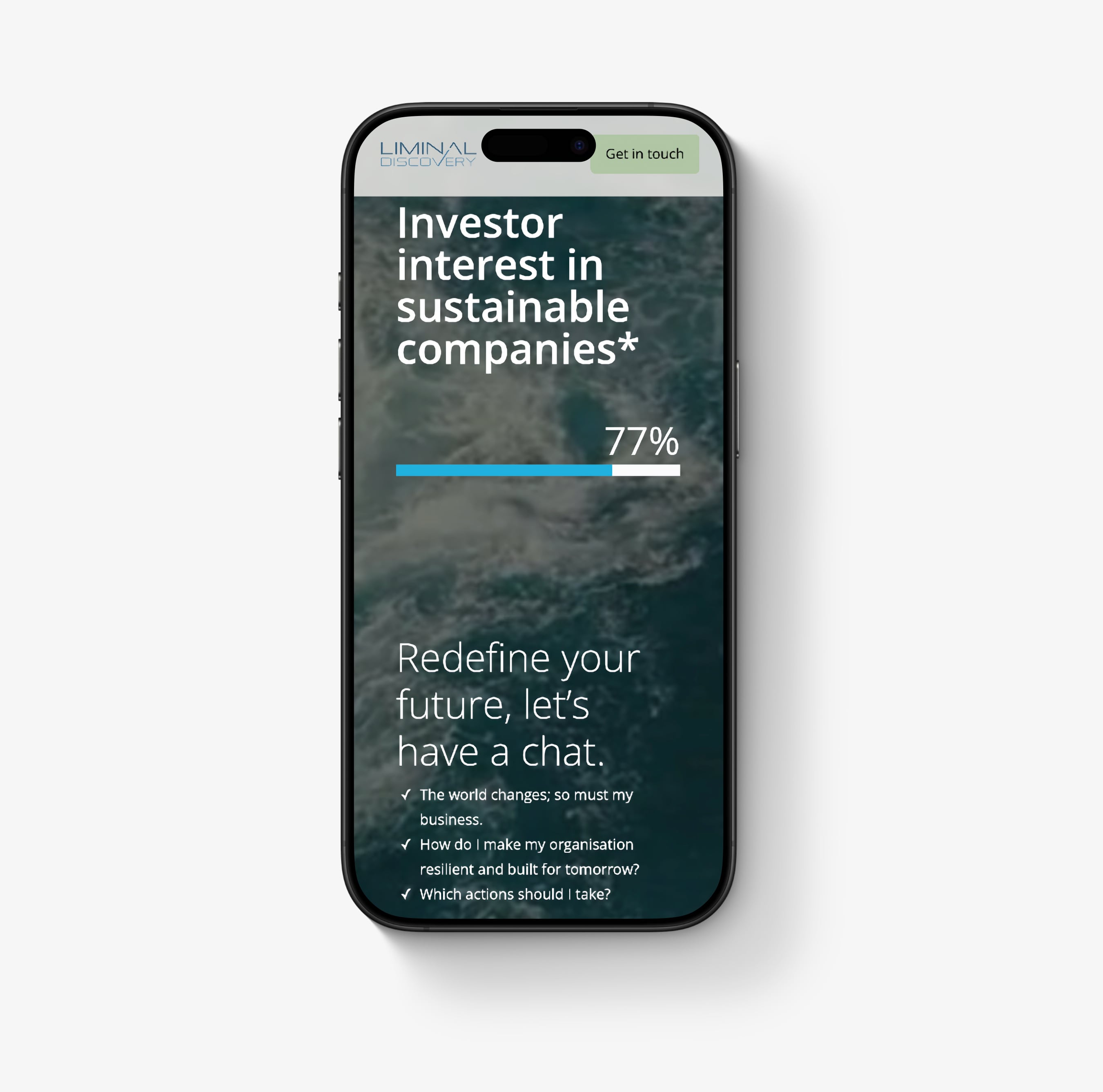
Reframing organisational narrative and public positioning

Role

Strategic design lead, responsible for narrative framing, content strategy, and experience design across brand, service, and organisational perspectives.

Context & problem

Liminal Discovery’s public presence no longer reflected the breadth and maturity of its work. 
The website and messaging focused on isolated services rather than conveying a coherent narrative about how the organisation helps clients design services, strategies, and technologies that work in real-life contexts. 
The challenge was to align external positioning with internal practice and long-term direction.

Approach

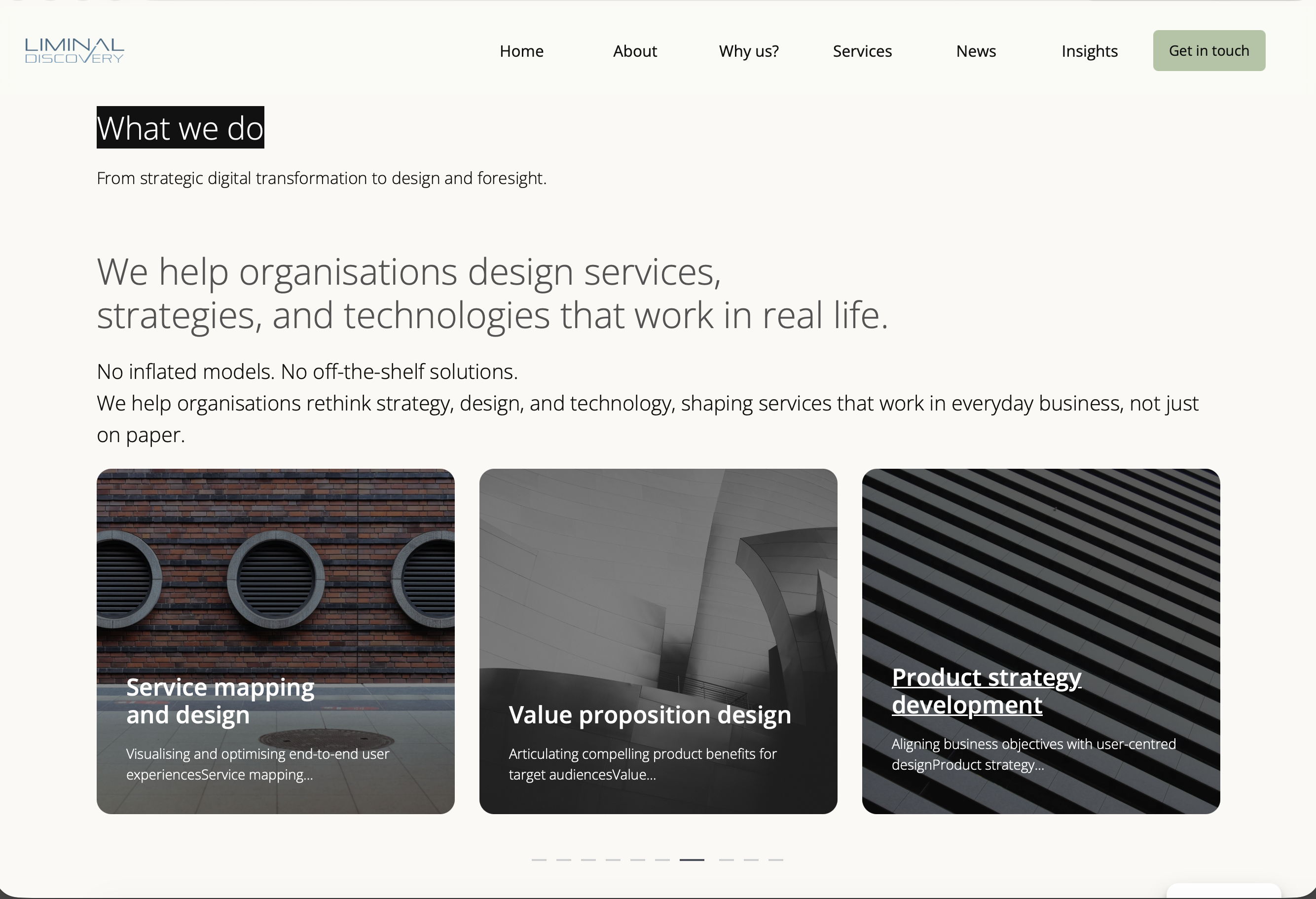
complete reorganisation of the website content and homepage. 
Developed a clear framing of use cases that translate complex, ongoing client work into tangible examples. 
Worked closely with the team to continuously refine content, structure, and messaging as the organisation evolved.

Outcome

Established a coherent and credible public positioning aligned with Liminal Discovery’s strategic intent and practice. 
The website is a living asset, supporting business development, internal alignment, and long-term brand consistency rather than a static marketing deliverable.
https://liminaldiscovery.com

Client
Fundament Asociación
Year
2022-2025

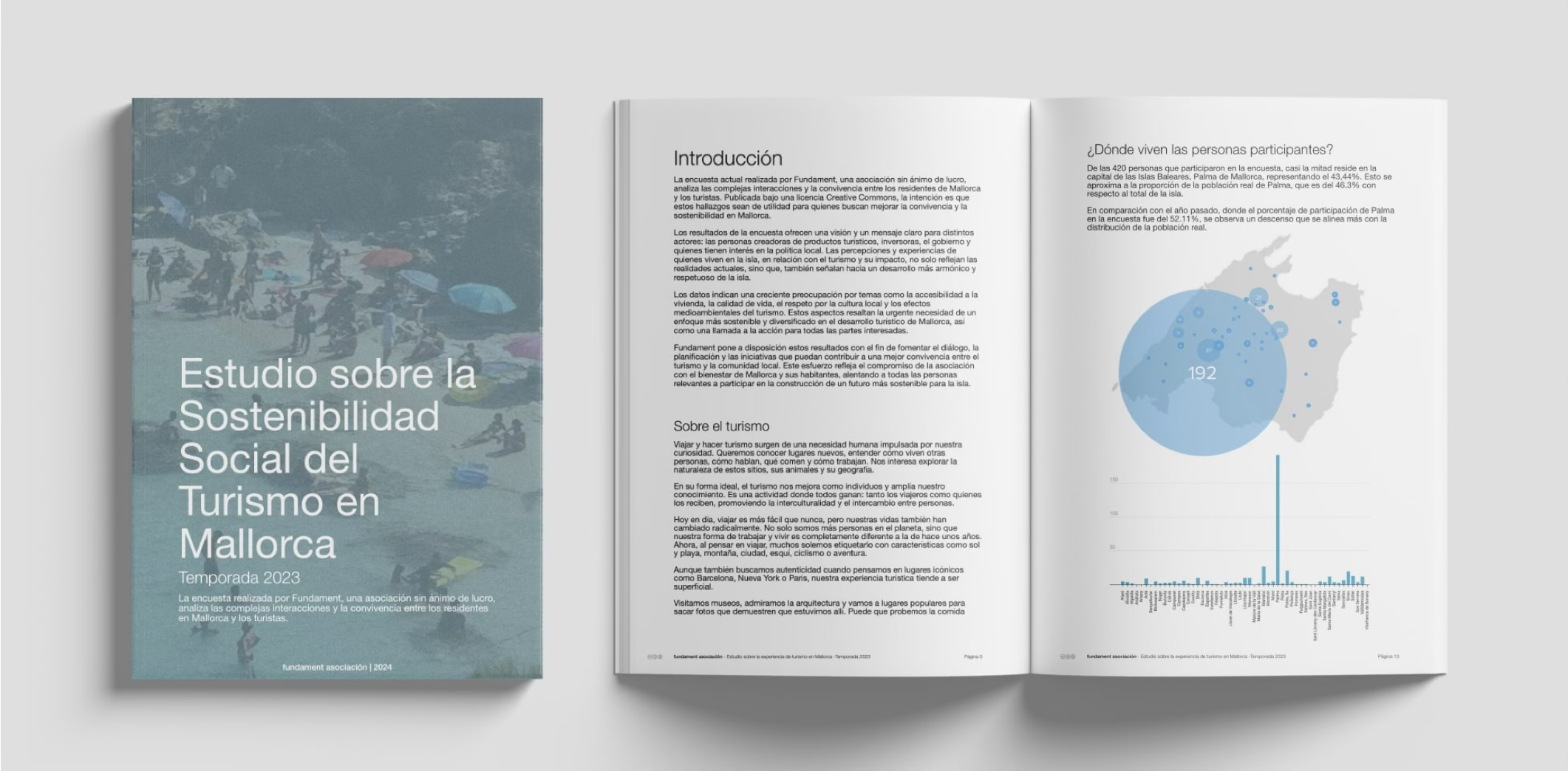
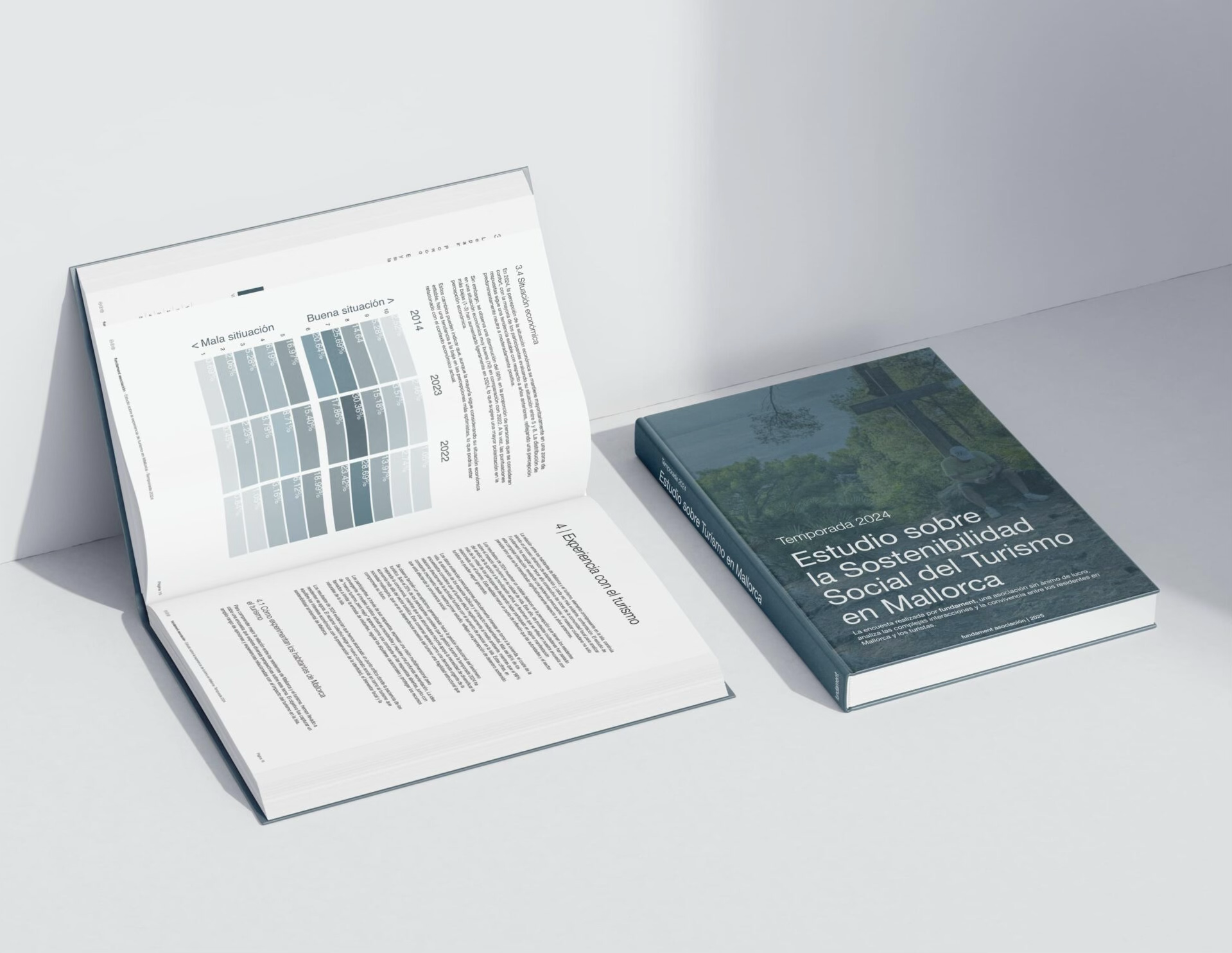
Fundament – tourism, coexistence, and resident experience

Role

Research lead, service and editorial design

Context & problem

Independent, long-term research exploring the social, emotional, and systemic impact of tourism on residents in Mallorca. The work responds to increasing tension between economic dependency and quality of everyday life.

Approach

Mixed-method research combining qualitative interviews, desk research, data synthesis, and sense-making. Findings were translated into long-form publications designed for public access and civic discourse.

Outcome

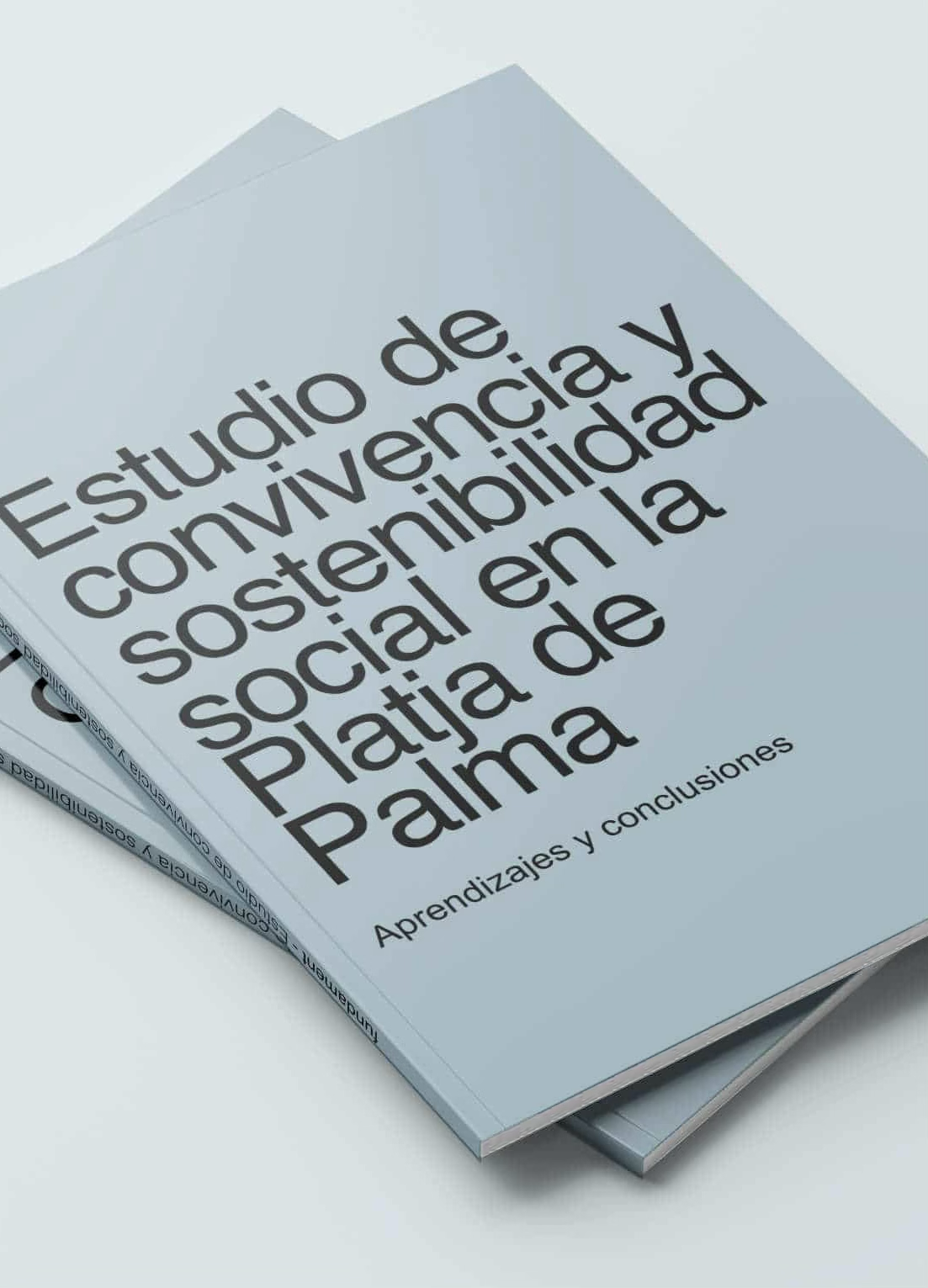
  • Four publicly released publications (60–80 pages each)
  • Significant download numbers and public response
  • Media coverage and use by local actors, NGOs, and institutions as reference material

Client
UNOPS (United Nations Office for Project Services)
Year
2019-2020

Design research for health & safety implementation in complex cultural contexts

Role

Strategic design lead, research and facilitation

Context & problem

UNOPS operates in post-conflict and high-risk environments, working with local construction contractors to rebuild critical infrastructure. Although health and safety policies were clearly defined at headquarters level, their implementation in local contexts varied widely, leading to preventable accidents and misalignment between policy and practice.

Approach

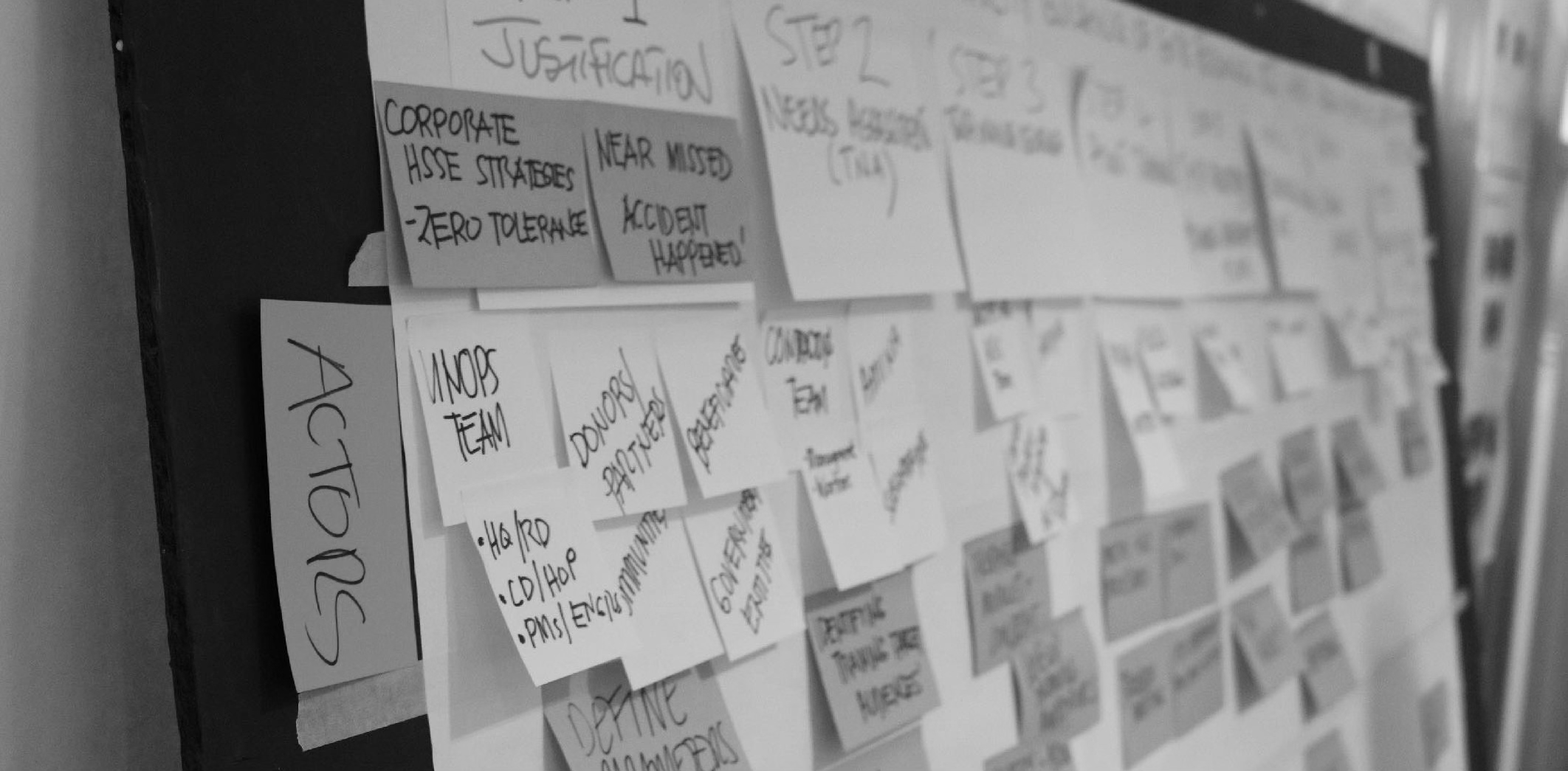
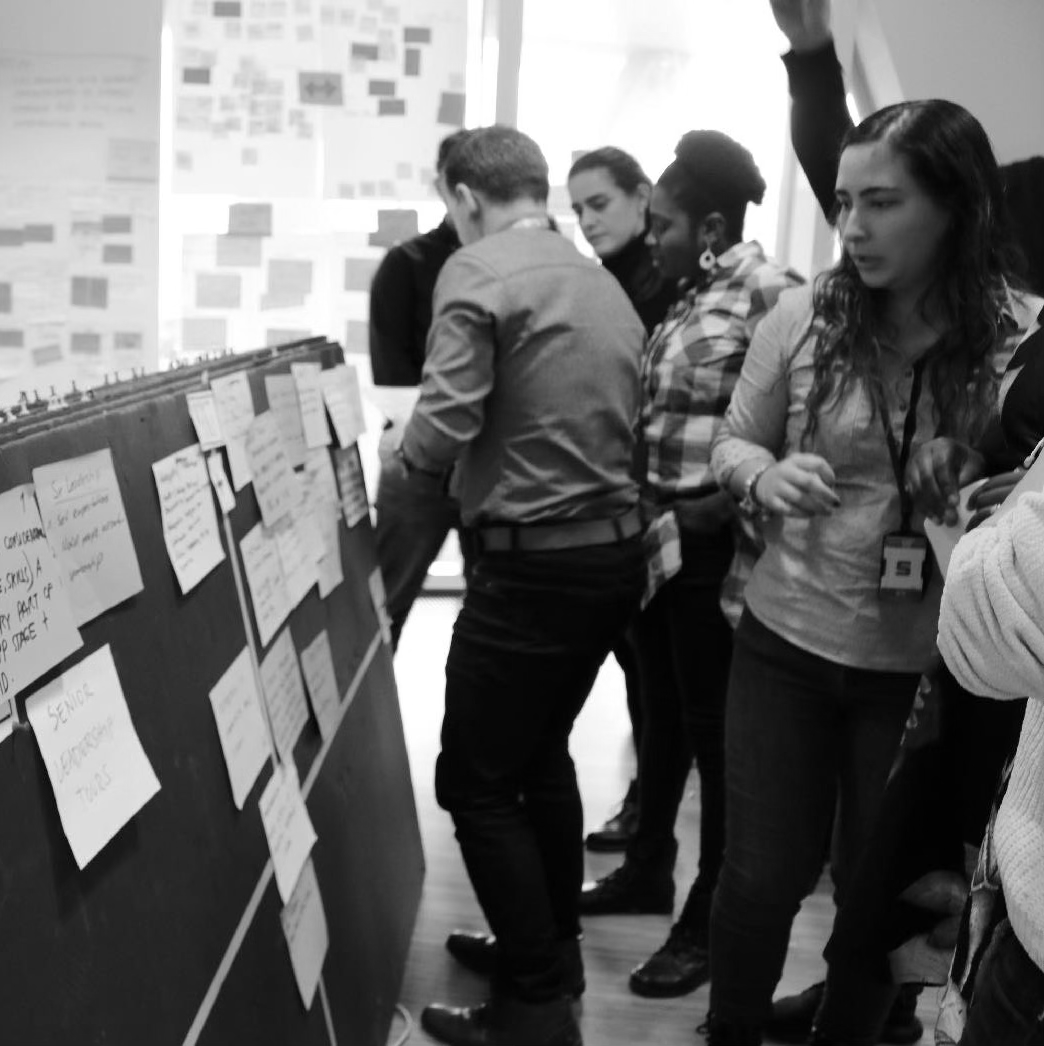
Our approach combined global field research across multiple countries where UNOPS operates with close collaboration with local and international stakeholders. We examined how contractors are hired, how local working conditions differ, and how health and safety guidelines are communicated and applied on the ground.

The research showed that standards developed in high-regulation contexts are not easily transferable to regions shaped by different climates, work practices, cultural norms, linguistic diversity, and, in some cases, illiteracy, despite significant effort by UNOPS.

Based on these insights, an international, multidisciplinary team of engineers, construction specialists, health and safety authors, and local decision-makers worked together to adapt the guidelines and develop practical solutions, with the shared objective of reducing the fatality rate to zero.

Outcome

The work created a shared understanding between headquarters and local actors, grounding policy discussions in real operational conditions. It informed adjustments to how health and safety guidelines were communicated, supported, and adopted in the field, and established a more empathetic, context-aware foundation for future implementation efforts.

    Client
    FJORD / Zurich Insurance
    Year
    2019

    Intelligent water protection as a customer-led service ecosystem

    Role

    Service/Product design lead, service and product innovation

    Context & problem

    As part of Zurich Insurance’s “Make the Difference” programme, the organisation explored new ways to reduce high property loss ratios caused by undetected water leaks in private homes. While water damage represented a significant financial risk, customer awareness and preventive behaviour were low, and existing solutions focused mainly on post-damage claims handling.

    Approach

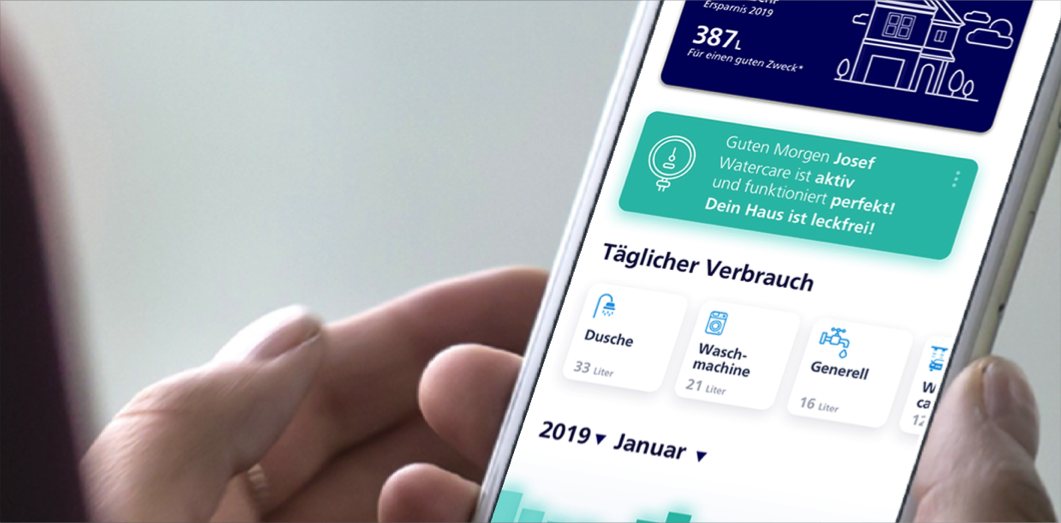
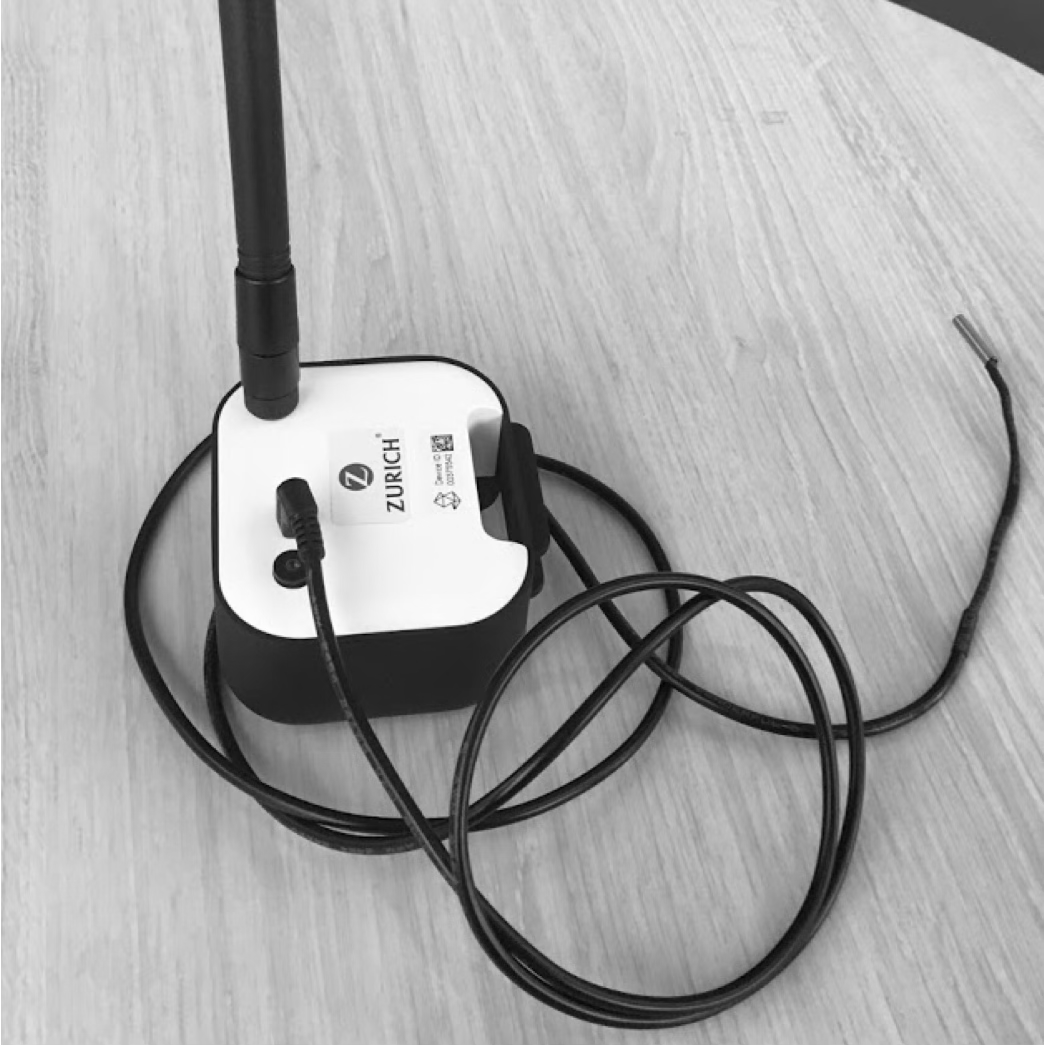
    I led a multidisciplinary project with Zurich employees and a technology startup, combining qualitative research with homeowners and quantitative market data to ground the opportunity space. The work focused on understanding real customer needs, validating them against business impact, and translating insights into a coherent service and product ecosystem rather than a standalone device.

    Outcome

    The project resulted in an improved product concept with multiple service applications that addressed both customer needs and risk prevention. It strengthened Zurich’s position in proactive water damage prevention, informed a solid business case, and received an international innovation award in 2019.

    Client
    CAF (Construcciones y Auxiliar de Ferrocarriles)
    Year
    2018

    Digitalising maintenance operations through service design

    Role

    Service design lead, research, service design and facilitation

    Context & problem

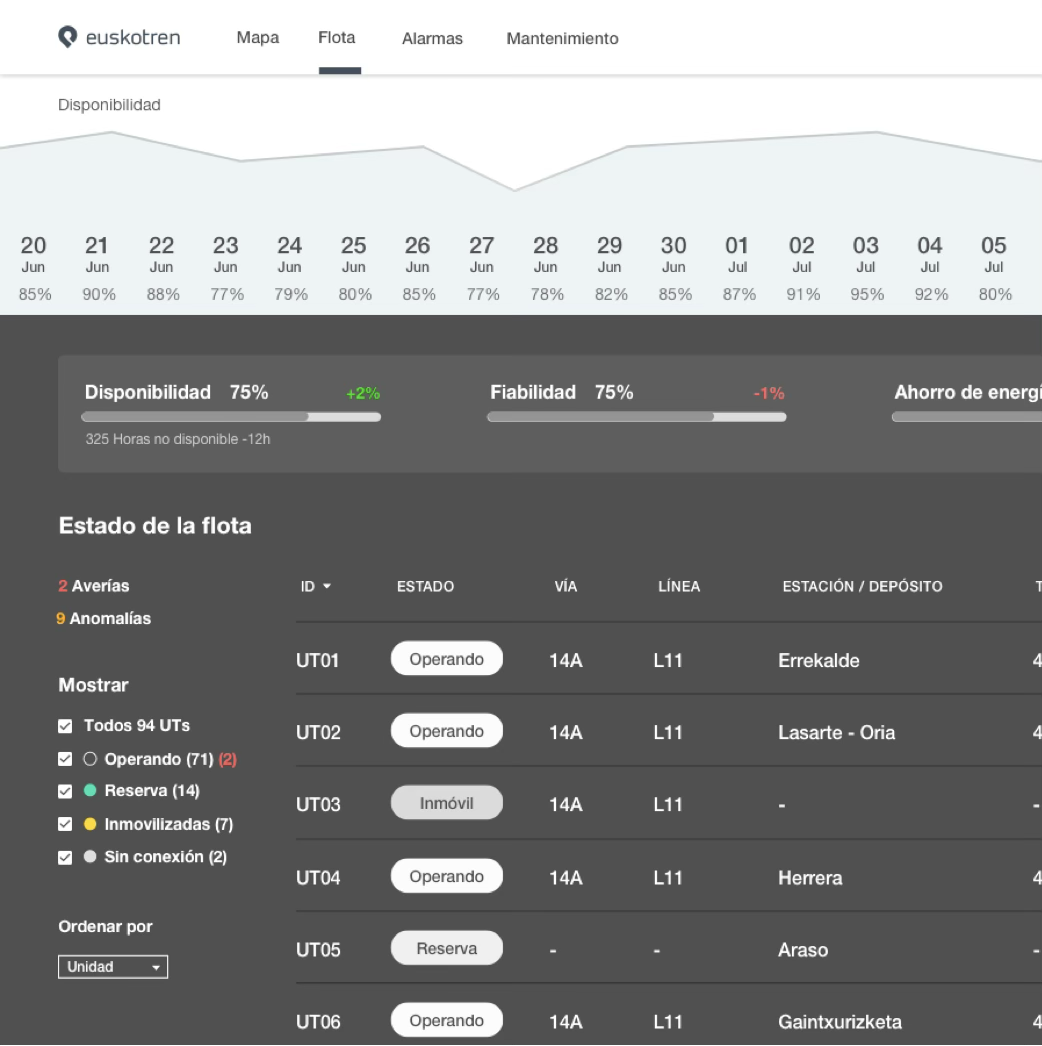
    CAF, a global manufacturer of trains and transport systems, was seeking to improve decision-making and operational efficiency in maintenance services. Maintenance processes were complex, data-heavy, and difficult to visualise, limiting the organisation’s ability to leverage emerging data capabilities for preventive and corrective services.

    Approach

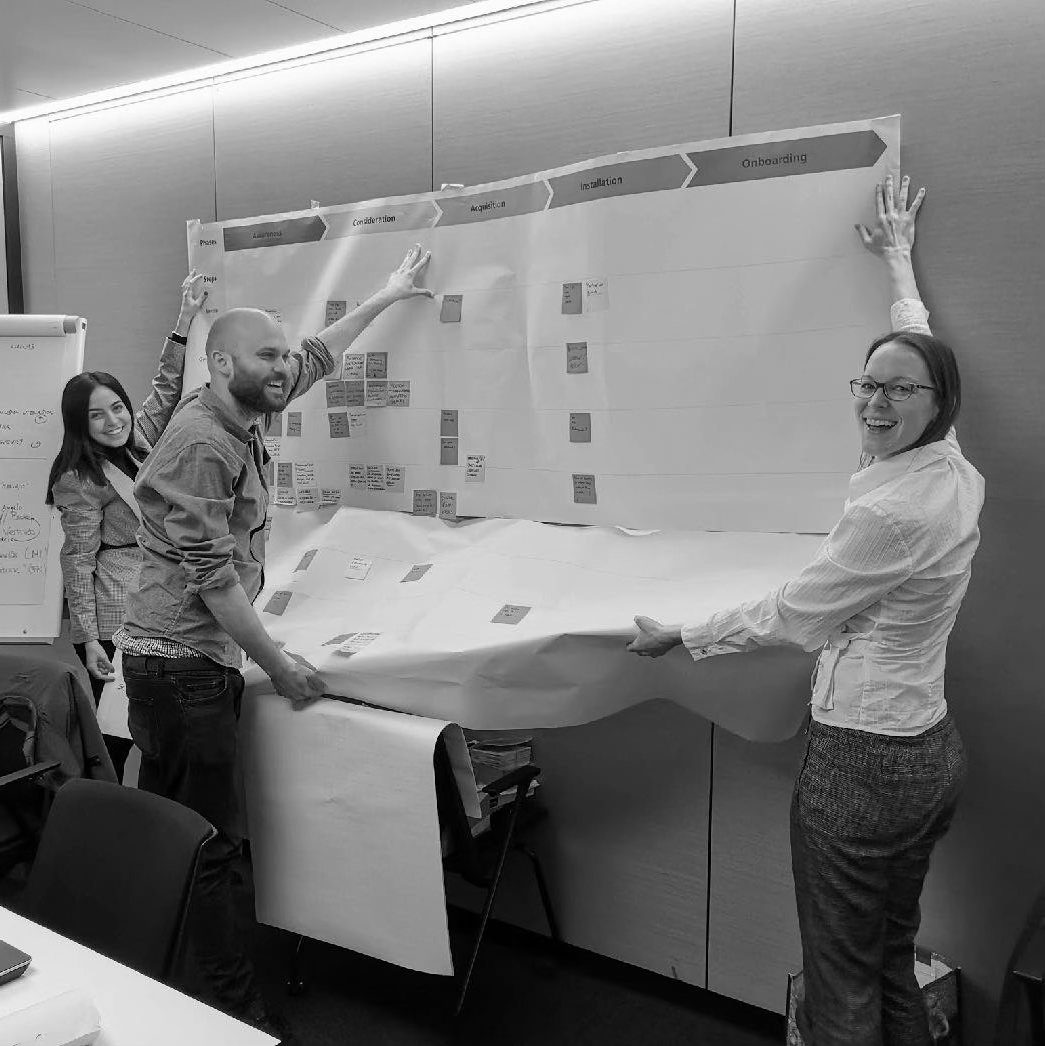
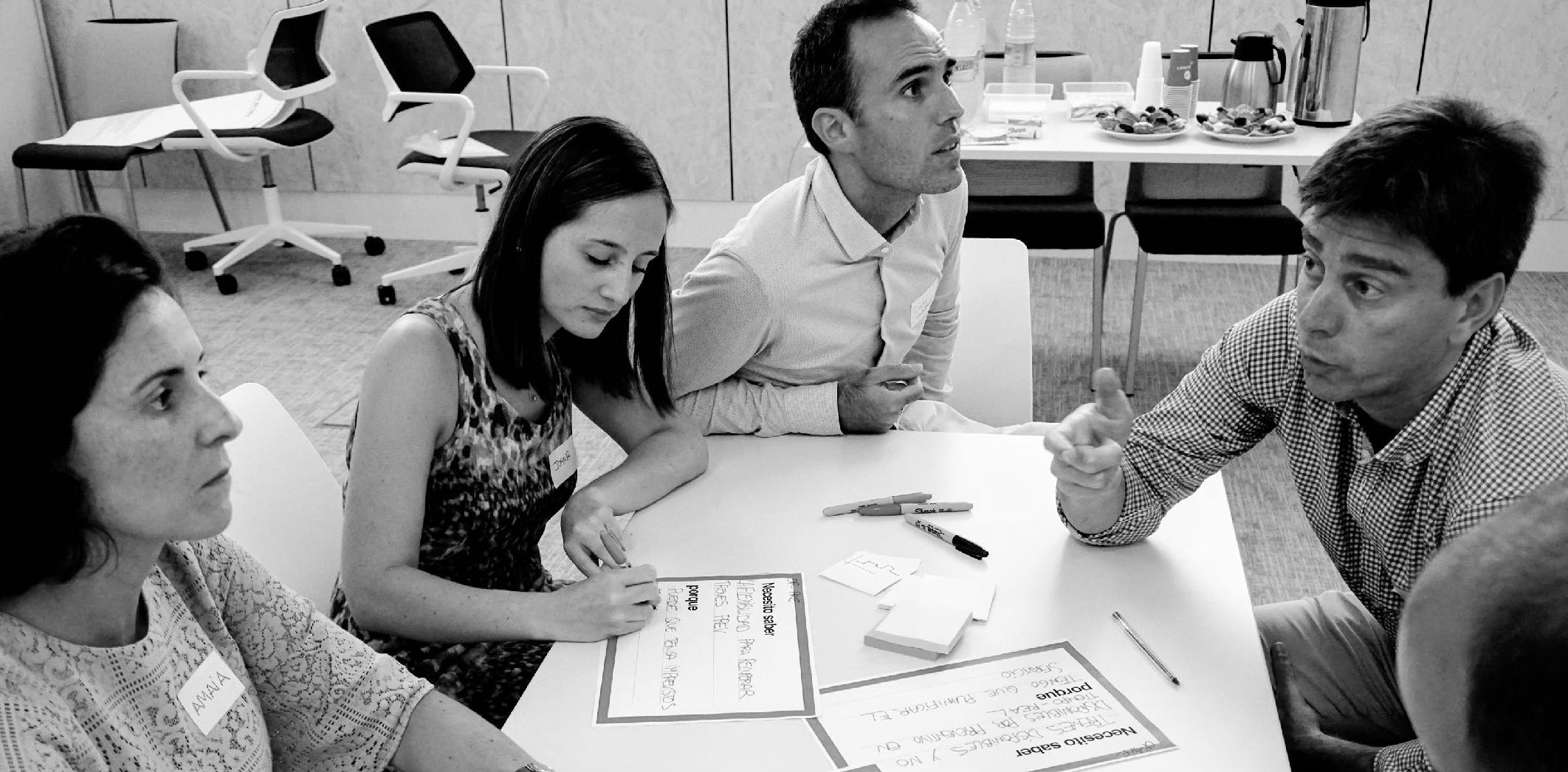
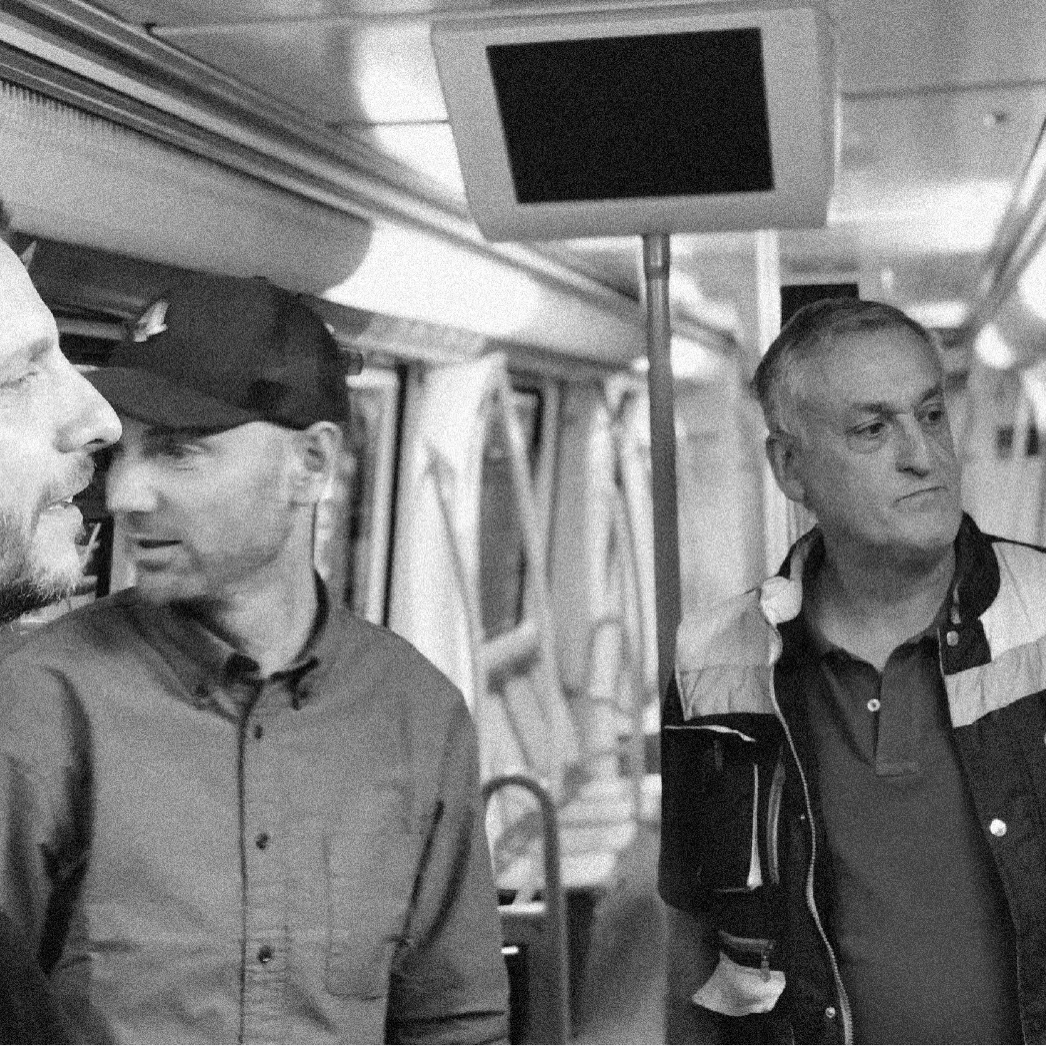
    Using service design methodology, I led research and co-creation activities to make invisible maintenance processes tangible. Working with multidisciplinary teams, we mapped existing workflows, identified decision gaps, and explored how digital tools and real-time data could support maintenance workers in the field.

    Outcome

    The work resulted in actionable service concepts and pilots, including digital tools for tablet-based use by maintenance teams. It enabled CAF to articulate a stronger service-led value proposition and laid the groundwork for ongoing implementation by internal design and development teams.

    Client
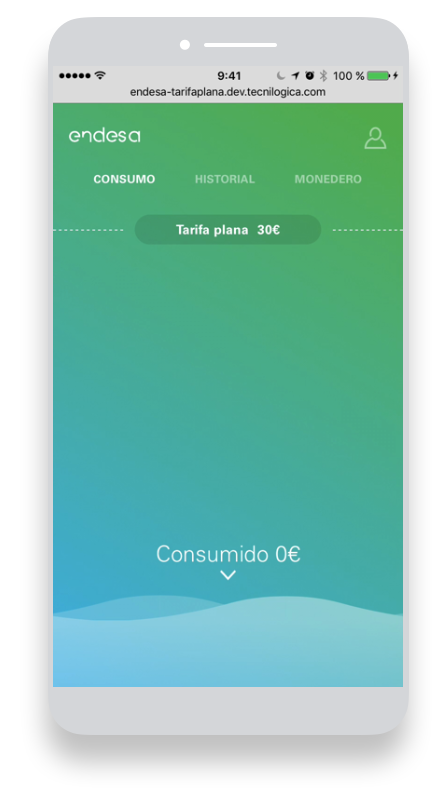
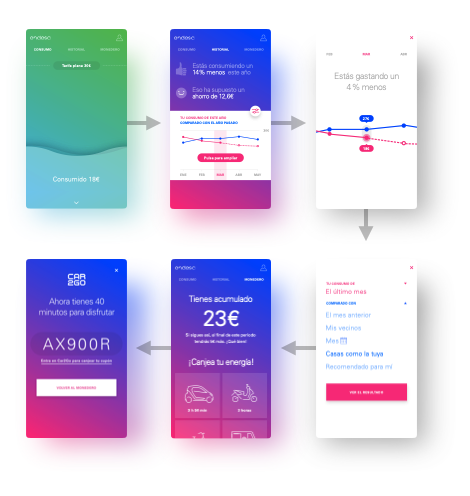
    Endesa (Enel Group)
    Year
    2017

    Designing energy services for a new generation of users

    Role

    Service/Product design lead, service and product innovation

    Context & problem

    As part of Zurich Insurance’s “Make the Difference” programme, the organisation explored new ways to reduce high property loss ratios caused by undetected water leaks in private homes. While water damage represented a significant financial risk, customer awareness and preventive behaviour were low, and existing solutions focused mainly on post-damage claims handling.

    Approach

    I led a multidisciplinary project with Zurich employees and a technology startup, combining qualitative research with homeowners and quantitative market data to ground the opportunity space. The work focused on understanding real customer needs, validating them against business impact, and translating insights into a coherent service and product ecosystem rather than a standalone device.

    Outcome

    The project resulted in an improved product concept with multiple service applications that addressed both customer needs and risk prevention. It strengthened Zurich’s position in proactive water damage prevention, informed a solid business case, and received an international innovation award in 2019.

    Client
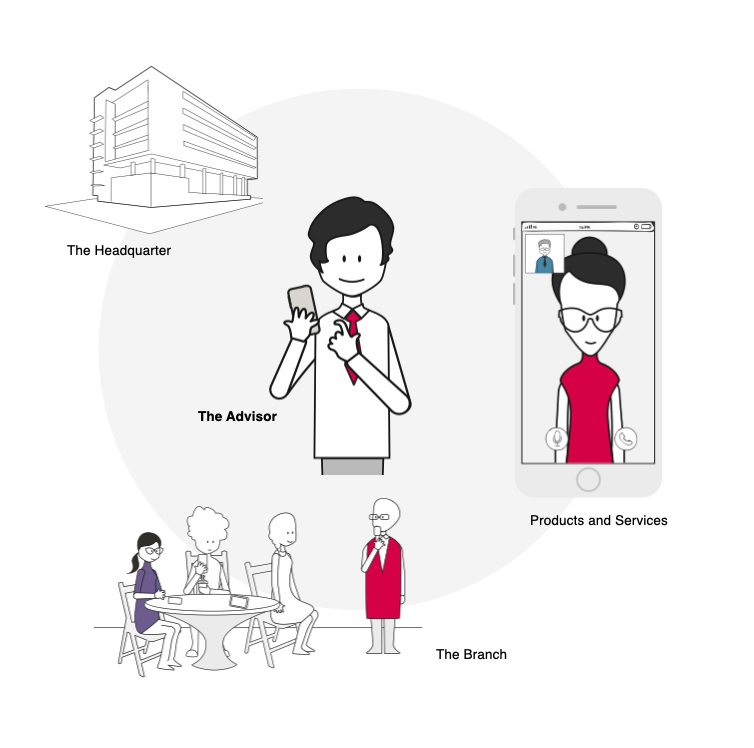
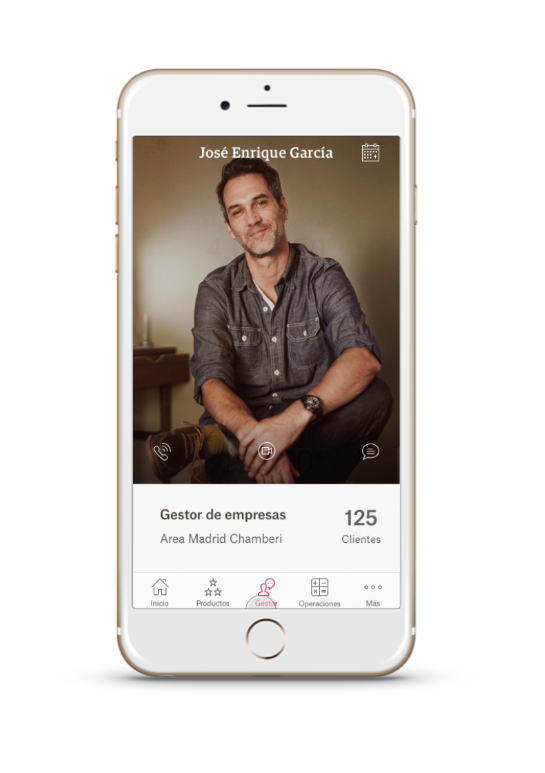
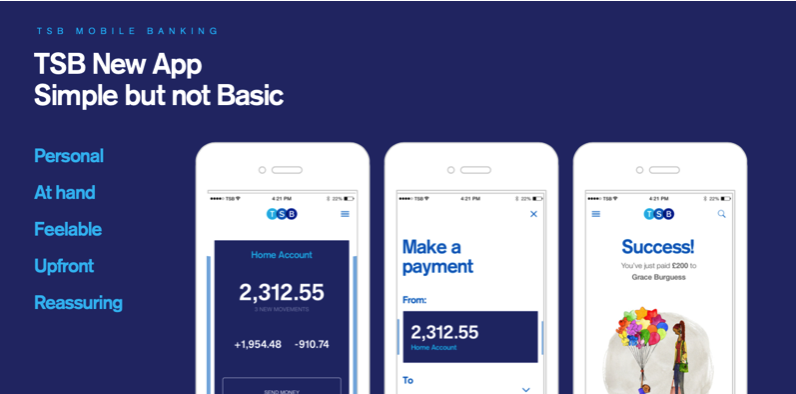
    TSB Bank (UK), part of Sabadell Group
    Year
    2015-2016

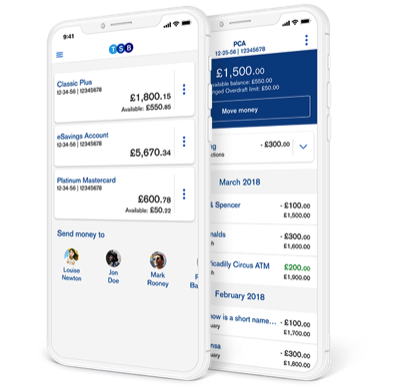
    New digital experiences for a local bank

    Role

    Strategic design lead, digital service and product design

    Context & problem

    After the acquisition of TSB by Banco Sabadell, the bank aimed to accelerate digital adoption while preserving its strong, people-centred brand rooted in local branch relationships. The challenge was to shift customers towards digital services without undermining trust or the perception of personal support.

    Approach

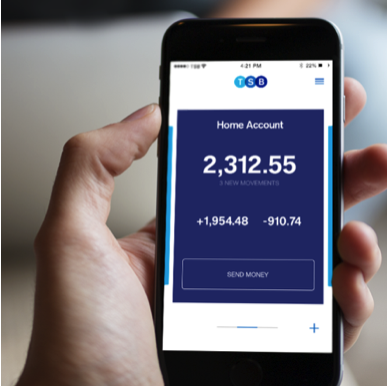
    I led an end-to-end design engagement grounded in extensive user research, co-creation, and iterative testing. The work focused on understanding customer needs, digital capabilities, and moments where human support remained essential. Insights were translated into a scalable app concept designed to balance self-service efficiency with reassurance and clarity.

    Outcome

    The project delivered a complete, production-ready app design and a roadmap for future service evolution. It supported TSB’s digital transition while maintaining brand credibility and provided Sabadell’s internal teams with a clear foundation for ongoing development and growth.

    Client
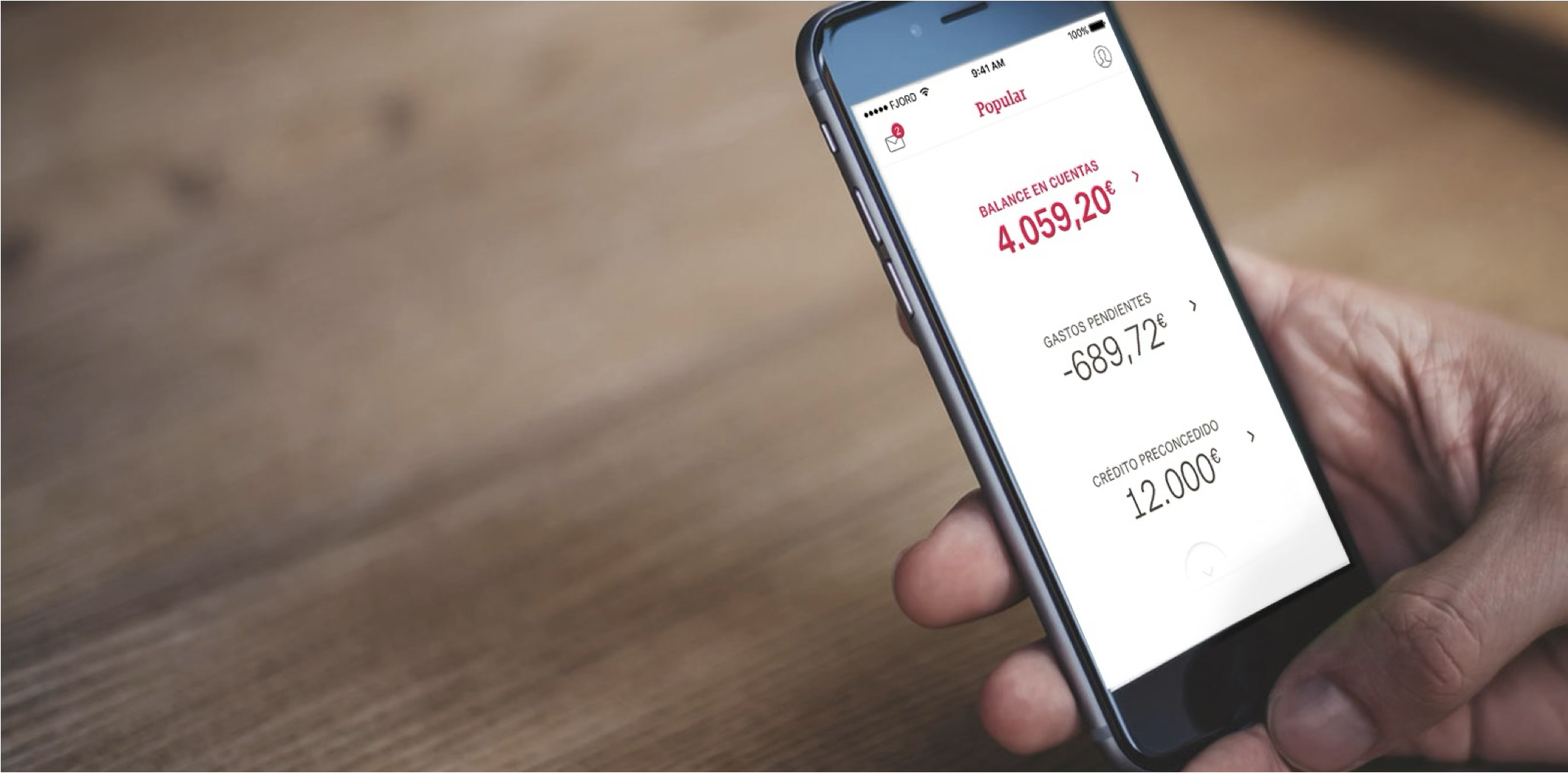
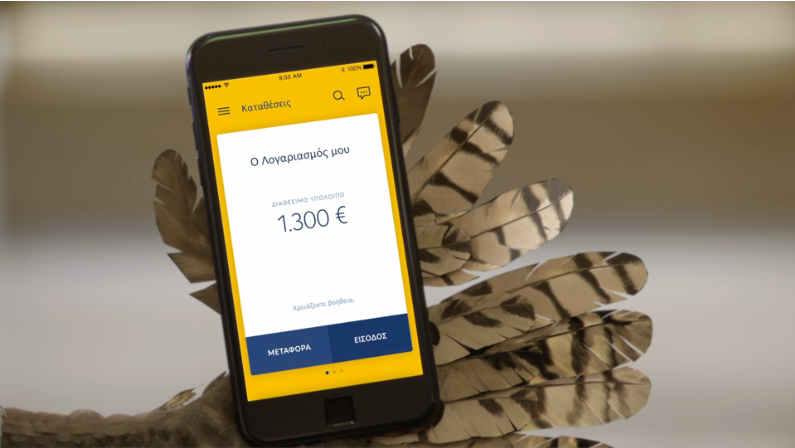
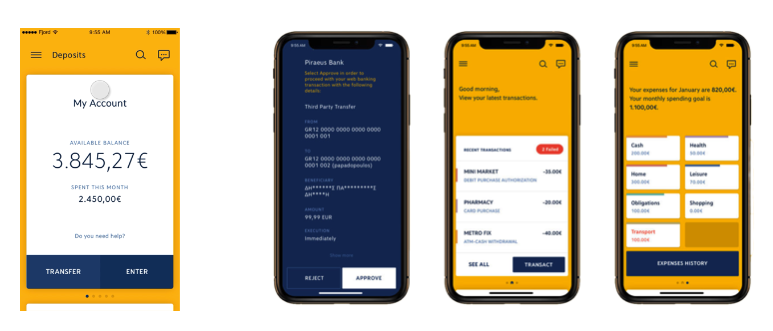
    FJORD / Piraeus Bank / WinBank
    Year
    2016-2017

    Redesigning digital banking experiences in a post-crisis context

    Role

    Strategic design lead, digital service and product design

    Context & problem

    Following the financial crisis, Piraeus Bank was under strong pressure to digitise services while closing physical branches. WinBank, its digital brand, needed to support customers with varying levels of digital literacy in a sensitive economic and cultural context, while rebuilding trust in everyday banking interactions.

    Approach

    I joined after an extensive research phase to lead design production and localisation. The work focused on translating insights into a coherent digital experience adapted to Greek language, culture, and technical constraints. I led visual and interaction design alongside local teams, working closely with a large development group through iterative design and handover cycles.

    Outcome

    The project delivered a fully redesigned banking app and supporting service concepts within a short timeframe. The solution was well received by customers and received one of Greece’s leading design awards, supporting WinBank’s repositioning as a credible and accessible digital banking channel

    Primary artefact
    Primary artefact

    Selected works from 2015 - 2022

    Foundations of my current practice, delivered at Accenture and Fjord across corporate, public, and non-profit contexts. This work established capabilities in service design, research, and implementation while surfacing the systemic patterns—governance gaps, strategic misalignment, and organisational friction—that shape how I work today.

    NGO | Spain
    Fundament association

    Design strategy and methodology to resolve problems of social coexistence. Founder and president. Fundament is a non-profit NGO founded by designers to solve social problems related to coexistence employing design strategy and methodology to make the world a better place.

    #Research #Co-creation #Facilitation #Design for Good #Design Strategy #Systems Thinking #ServiceDesign #DesignThinking
    Financial services | Spain
    Generali Insurance

    Redesign of digital services for Spain in an international collaborative design project. (2017-2019). Generali Group is an Italian insurance company, third in the world. It has its headquarters in Trieste.

    #Design Research #Design Strategy #Facilitation #Ideation #Co-creation #Product Design #UX #IXD
    Retail | Spain
    Makro

    Omnichannel experience definition for the Spanish market. Makro is an international brand of warehouse clubs, also called cash and carries. Ownership of the worldwide chain of stores is split between two companies: Metro AG in Europe and SHV Holdings in Latin America.

    #Design Research #Facilitation #Ideation #Co-creation #Service Design
    Health industries | Spain
    Vithas

    Exploring big data usage for processes and unification. Vithas SA is a private Spanish company providing health services for more than 5 million patients in 20 hospitals and 20 health centres in Spain.

    #Design Research #Facilitation #Ideation #Co-creation #Service Design #Implementation
    Financial Services | Spain
    Banco Santander

    Definition of services and experience of FX (Foreign Currency Exchange) experience. Banco Santander, doing business as Santander Group and is a Spanish multinational bank based in Madrid and Santander. Additionally, Santander is the 16th-largest banking institution in the world.

    #Design Research #Facilitation #Ideation #Co-creation #Service Design 
    Travel Industries | Spain
    Amadeus IT Group

    APP fleet/cruise planning digital experience. Amadeus IT was created in 1987 as a strategic alliance (joint venture) between the airline’s Air France, Lufthansa, Iberia L.A.E. and Scandinavian Airlines System to create a worldwide provider of information and reservation services for the benefit of travellers and the general public.

    #Design Research #Facilitation #Ideation #Co-creation #Design Concept #Tablet #UX #IXD
    Travel Industries | Spain
    Makro

    Redesign the digital experience for Mobile and Desktop. The Barceló Group is one of the most important tourism companies in the world with more than 250 hotels and 700 travel agencies on 4 continents.

    #Design Research #Facilitation #Ideation #Co-creation #Detail Design #Implementation #APP #Desktop #UX #IXD
    Detailed project information for this section is being prepared.